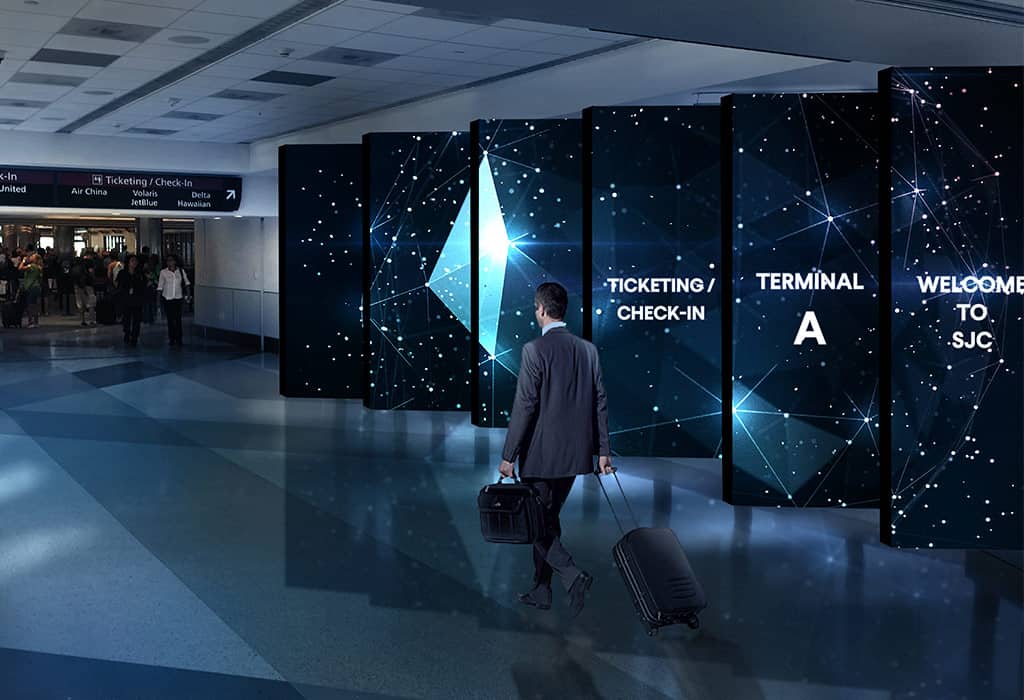
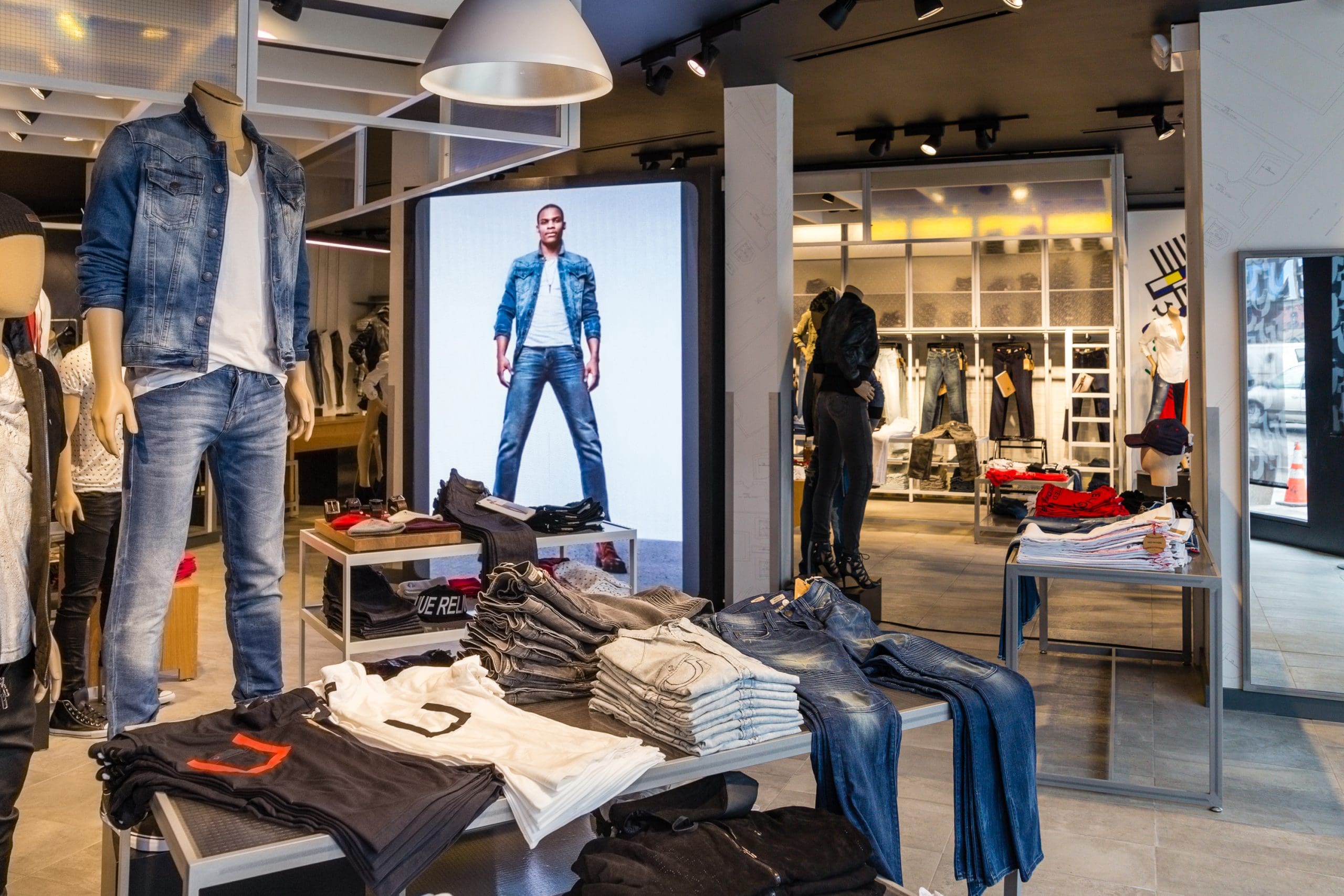
You don’t have to travel to Times Square to see giant LED screens. They are now a mainstay in many applications, from educational institutions and corporate environments to entertainment venues and houses of worship. Over recent years, their features, configurations, and affordability have expanded significantly, making them suitable for a wide range of uses. This blog explores the technical aspects, practical benefits, and applications of these displays, offering actionable insights and solutions from PixelFLEX.
Why Giant LED Screens Have Become Increasingly Popular
The popularity of giant LED screens is a testament to the expanded possibilities these displays now offer. Once limited to basic configurations at high price tags, LED screens have evolved into highly adaptable and sophisticated tools at a variety of price points, suitable for nearly any application. Here are several reasons why expansive LED screens are a go-to solution:
Technological Advancements
Modern LED technology has made these screens more accessible, durable, and versatile than ever before. Innovations such as transparent LED walls, curved panels, and weatherproof displays have redefined what’s possible.
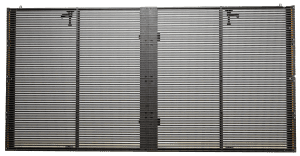
Transparent LED displays like FLEXClear, for instance, allow businesses to create captivating visuals in windows without obstructing natural light. With a slim design, high brightness, and semi-transparency, these displays are ideal for retail, hospitality, and commercial spaces, providing an eye-catching solution while meeting security and design requirements.
Expanding Possibilities
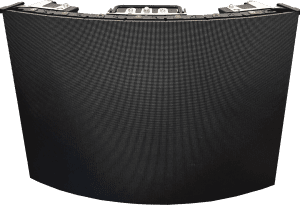
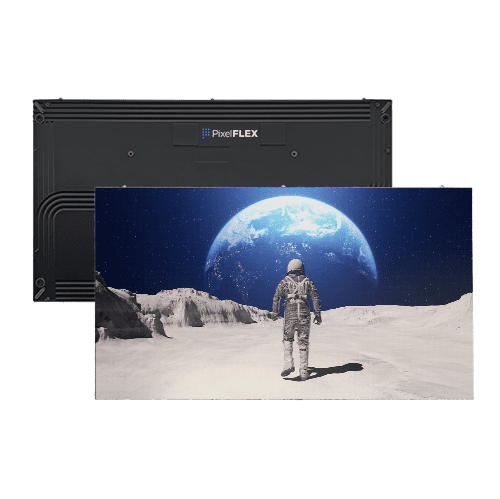
Today’s LED screens cater to applications that were unimaginable even just a decade ago. FLEXMod tiles, for example, enable creative designs with their ability to curve, bend, and attach to almost any surface. These lightweight, high-resolution panels support convex and concave configurations, making them perfect for unconventional installations that demand a unique visual experience.
Outdoor LED technology has also advanced significantly, with products like FLEXStorm leading the way. These outdoor-rated displays can endure harsh weather conditions while delivering brightness levels unmatched by traditional solutions. This makes them ideal for billboards, amenity decks, parks, and building-mounted displays, providing vibrant visuals even in direct sunlight.
For more flexible, portable needs, FLEXCurtain HD Outdoor offers a space-saving design built for life on the road. Capable of handling everything from high-resolution video playback to dramatic effects, these LED curtains are a top choice for rental staging solutions, live performances, and touring events.
Accessibility and Customization
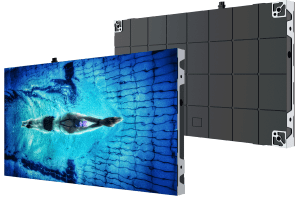
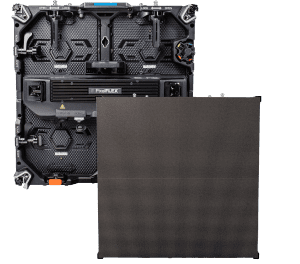
As technology has advanced, LED screens have also become more accessible to a wider range of industries and budgets. Modular designs, enhanced durability, and diverse configurations, as with the EF Series, allow users to select solutions tailored to their unique requirements.
With PixelFLEX’s innovations and commitment to quality, customers now have access to products that meet the most demanding creative and functional needs.
Essential Features of Giant LED Screens to Consider
When investing in a giant LED screen, understanding the key features is crucial to selecting the right solution for your needs. These are the features to have on your radar:
High Resolution and Pixel Pitch
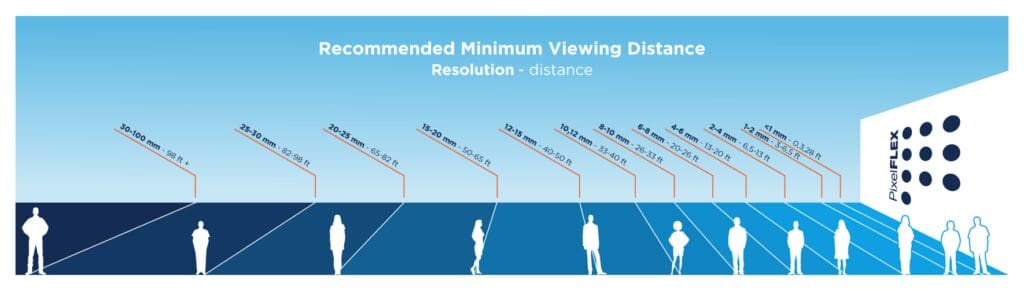
Pixel pitch, the distance between individual LEDs, determines the resolution of a screen. A smaller pixel pitch results in higher resolution, which is ideal for close-viewing applications like conference rooms or retail stores. For larger, distant-viewing setups like stadiums or outdoor billboards, a wider pixel pitch provides optimal clarity without unnecessary costs.
Brightness and Contrast
Measured in nits, brightness levels must align with the screen’s intended environment. Outdoor screens require at least 4,000–10,000 nits to combat sunlight, while indoor displays can perform effectively at 1,000–3,000 nits. High contrast ratios further enrich image depth and visibility.
Modular Design
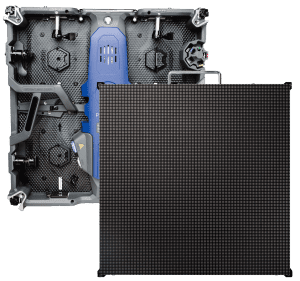
Modularity allows for customizable shapes and sizes, making LED screens adaptable for unique configurations like curved walls or unconventional layouts. This design also simplifies maintenance, as individual modules can be replaced without disrupting the entire display.
Weather Resistance and Durability
Outdoor LED screens are engineered to withstand extreme temperatures, rain, dust, and UV exposure. Features like weatherproof casings and sealed components ensure uninterrupted performance in challenging conditions.
Energy Efficiency
LED technology minimizes energy consumption compared to traditional display methods. High-quality components ensure long-term savings and environmentally friendly operation.
Popular Applications of Large LED Displays
Giant LED displays are versatile tools that enhance spaces across industries, blending functionality with stunning visuals. Here are some exciting examples.
Lobby Centerpiece Displays
Giant LED screens transform lobbies into captivating, multifunctional spaces that leave lasting impressions. At the PGA of America, an inset EF Series LED display integrated into a woodgrain veneer creates a dynamic, professional centerpiece that showcases real-time updates and visually stunning content.
Similarly, at Belmont University’s Massey Center, PixelFLEX installed FLEXUltra LED walls and a double-sided FLEXClear screen to enhance the lobby’s aesthetic while maintaining natural light. These installations combine functionality and design, making lobbies engaging, informative, and visually striking.
Stage Backdrops
LED screens redefine stage design by creating immersive and versatile backdrops for events and performances. At Genesys, a massive curved LED wall wrapped the stage, providing a high-resolution canvas for impactful presentations. In worship spaces like Oak Cliff Bible Fellowship, PixelFLEX LED backdrops deliver vibrant visuals that enhance sermons, concerts, and community events. These applications highlight the flexibility of LED screens in adapting to diverse content and audience needs.
Eye-Catching Digital Signage
Digital signage captures attention with dynamic visuals and unparalleled brightness. At Tru Hotel by Hilton, FLEXClear panels were installed to attract patrons while maintaining transparency and natural light in the lobby. In Manhattan’s 300 Park Avenue, a widescreen LED display transformed an unused rooftop into an entertainment and advertising space, combining modern design with impactful messaging. These installations demonstrate how LED technology elevates branding and communication in both functional and creative ways.
Benefits of Giant LED Screens for Your Next Project
Giant LED screens are compelling because they:
- Increase Engagement: Giant LED screens command attention with their sheer size, dynamic visuals, and vibrant colors, helping your message stand out.
- Offer Versatile Functionality: From displaying live feeds to showcasing interactive content, LED screens adapt seamlessly to various needs, whether for advertising, information sharing, or entertainment.
- Provide Long-Term Durability: Designed for endurance, LED screens are a reliable solution, even in high-traffic areas or harsh environmental conditions.
- Are Cost Effective Over Time: While the upfront investment may be significant, energy-efficient operation and minimal maintenance requirements lead to lower long-term costs.
- Provide a Sustainable Solution: LED technology reduces energy consumption and environmental impact, aligning with sustainability goals.
How to Select and Maximize Your Giant LED Screen
Here’s a quick rundown:
- Define Your Goals: Consider your audience, location, and intended use to determine size, resolution, and brightness requirements.
- Choose the Right Provider: Work with experienced partners to ensure customized solutions, high-quality components, and ongoing support.
- Optimize Configuration: Tailor your screen’s layout, pixel pitch, and mounting options to fit your space and purpose.
- Plan for Maintenance: Opt for modular designs that simplify repairs and ensure longevity with regular calibration and cleaning.
- Leverage Advanced Features: Explore capabilities like interactive touchpoints, remote content management, and dynamic color calibration to enhance your display’s impact.
For a more in-depth look, explore our LED Buyer’s Guide.
Installing a Large LED Display
Installing a large LED display is a detailed process that requires proper planning, precise execution, and expert handling. The installation method depends on the display type, environment, and intended use, with options ranging from wall mounts and hanging configurations to stackable systems.
Modular panels like FLEXUltra or FLEXMod simplify installation with features like magnetic attachments, while outdoor-rated screens such as FLEXStorm require weatherproof housings and specialized mounting for stability.
Ensuring accurate measurements and structural integrity during setup is critical to achieving a seamless, visually stunning result. Working with experienced professionals guarantees that the LED display performs reliably and integrates harmoniously into its intended space.
Managing and Controlling Your Giant LED Screen
Managing a giant LED screen requires precise control systems to ensure seamless content delivery and optimal performance. At the heart of this setup are processors and sending controllers, which play critical roles in managing how content is displayed. Processors handle video input, scaling, and formatting, ensuring the visuals are optimized for the screen’s resolution and layout. Sending controllers, on the other hand, transmit processed signals to the LED display, managing synchronization and delivering pixel-perfect content.
Processors and controllers come in various types, tailored to meet specific requirements. High-end processors support advanced features like 4K resolution, HDR content, and multi-screen setups, making them ideal for applications that demand exceptional visual fidelity. Sending controllers can range from compact, standalone units to rack-mounted systems designed for large-scale installations. Choosing the right combination depends on factors like screen size, resolution, and the complexity of the display’s layout.
PixelFLEX offers a range of industry-leading processors and controllers, such as the SU-660 and SU-VX4S, which provide reliable and scalable solutions for managing even the most complex LED displays. These tools ensure your content looks flawless while providing flexibility to adapt to different environments and applications. Properly configured control systems are essential for maximizing the impact and efficiency of your giant LED screen.
Explore Large LED Displays from PixelFLEX LED
PixelFLEX leads the industry with innovative, award-winning LED display solutions. Use our Product Selection Tool to find the perfect screen for your needs, and contact us to create unforgettable visual experiences.
 (800) 930-7954


 House of Worship
 Transportation
 Trade shows led display
 retail
 Creative Led Solutions
 Hospitality
 Higher Education
 Corporate LED