 (800) 930-7954

 House of Worship
 Transportation
 Trade shows led display
 retail
 Creative Led Solutions
 Hospitality
 Higher Education
 Corporate LED





















What to Actually Look for in a dvLED Supplier Partner
Choosing the right dvLED supplier is not about finding the lowest quote.
It is about finding the partner that shows up when it counts, understands what your business needs, and has the process behind it to back that up. For AV integrators, that distinction matters more than most clients ever see.
The product spec sheet is easy to compare. Resolution, pixel pitch, brightness, warranty length. These are table stakes. What is harder to evaluate before you commit to a project is everything else: how a supplier handles a jobsite problem at 7 a.m. on a Tuesday, whether their products actually arrive ready to install, and whether they are still picking up the phone six months after the order shipped.
Here is a practical framework for evaluating any dvLED supplier before you put your reputation on the line.
1. U.S.-Based Support Is an Operational Requirement, Not a Preference
This one sounds obvious until a project hits a snag and you find yourself waiting 48 hours for a response from an overseas support queue in a different time zone.
U.S.-based support means your questions get answered during your workday. It means technical documentation arrives in plain English. It means when something needs to be resolved fast, someone who understands your project and your timeline is the one resolving it.
The AV industry has learned this lesson the hard way through overseas suppliers who look competitive on paper but cannot deliver the support that keeps a project on track. If a supplier cannot clearly tell you where their support team is located and what their response time commitment is, that is your answer.
2. QC Process: Ask What Actually Happens Before It Ships
Every supplier claims their products are high quality. Very few can tell you what that means operationally.
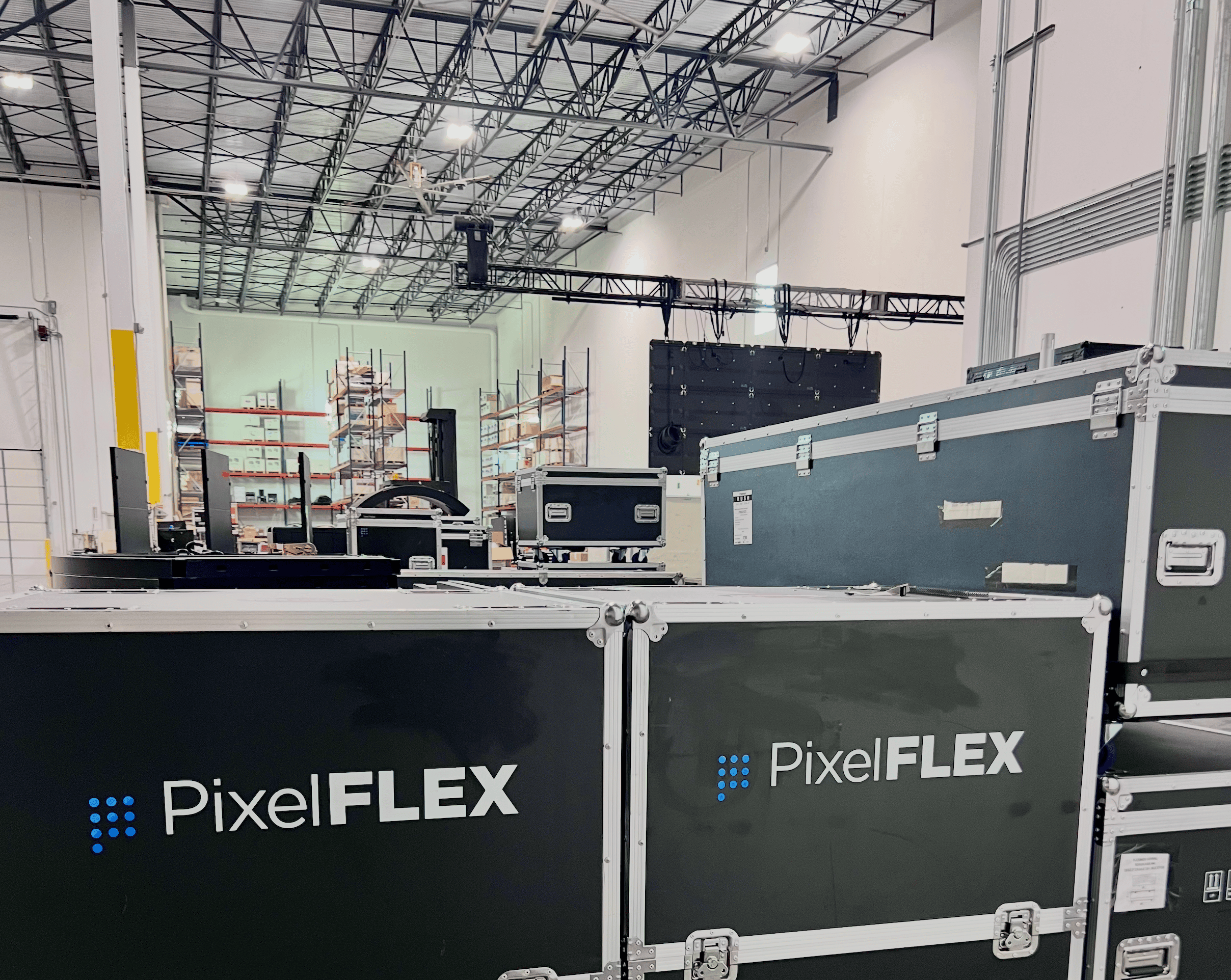
A meaningful QC process has checkpoints you can name. Component inspection before assembly. Third-party acceptance testing. A full pre-build that verifies wiring, power, and content playback before the unit leaves the facility. These steps take time and they cost money, which is exactly why not every supplier does them.
When you ask a supplier about their QC process, listen for specifics. “We test everything before it ships” is not an answer. “Every display goes through component inspection, third-party testing, and a full pre-build at our facility” is an answer.
The difference shows up on your job site. Units that arrive pre-tested commission faster, perform more predictably, and generate fewer callbacks. That is time and margin back in your project.
The question is not whether a supplier has a QC process. It is whether they can describe it step by step.
3. Documentation-Ready Means It Is Actually Ready
Documentation gaps slow commissioning more than most integrators expect. Missing drawings, incomplete spec sheets, signal routing that was not documented, wiring diagrams that do not match what arrived on site. Any one of these adds hours to a project. Combined, they can derail a timeline entirely.
A supplier worth working with provides complete documentation as part of the standard delivery, not as an afterthought. That means elevation drawings, detailed shop drawings, accurate spec sheets, and clear installation guides. If you are having to chase documentation after an order is placed, that is a pattern that will repeat itself on every project.
For design consultants and specifiers, this matters even earlier in the process. Pre-bid drawings and specification documentation that holds up through construction administration is a direct extension of your work. Your supplier’s documentation quality is a reflection on yours.
4. Lifecycle Commitment: Where Are They After the Install?
Post-sale support separates transactional vendors from actual partners. The question to ask is simple: what does the relationship look like after the display is commissioned?
The honest answer from a strong supplier involves warranty terms that are clearly stated, a service team that can address issues remotely or on site, and a company that is still reachable and engaged years after the sale.
Ask specifically about warranty length and what it covers. Ask about remote monitoring options. Ask what the process looks like for a warranty claim or a replacement component. If those answers are vague or involve overseas logistics, plan accordingly.
Clients measure an integrator’s performance over the life of the installation, not just on day one. Your supplier’s lifecycle commitment is part of how you protect that relationship.
5. The Bid Stage Test
Here is a simple way to evaluate whether a supplier is actually a partner or just a vendor: invite them in at the bid stage.
A supplier who engages early can provide pre-bid drawings, help you spec the right product for the environment, flag structural or power considerations before they become jobsite surprises, and give you the engineering support to put together a proposal your client can trust.
A supplier who only shows up after the purchase order is signed is a vendor. They may have good products. But when the project gets complicated, which LED projects sometimes do, they are not the partner who is going to help you solve it.
The best test of a supplier is how useful they are before you spend any money. Bring them in early and see what they do with it.
6. Red Flags Worth Knowing
A few things to watch for in any supplier conversation:
- Vague support promises. “We value our customers” without specifics about how support actually works.
- No named facility or location for QC and warehousing. Domestic warehousing matters for lead times and accountability.
- Slow response on pre-sale questions. If they are slow now, they will be slow when you need them on a live project.
- No references or case studies from the integration channel. A supplier who works primarily with integrators should be able to show you the results.
- Documentation that has to be requested rather than delivered. Standard documentation should be part of a standard order.
The Standard You Should Expect
The dvLED market has no shortage of suppliers willing to take your order. The ones worth building a business around are the ones who understand that their job does not end at the sale. They show up at the bid stage, deliver products that are ready to install, answer the phone when something goes wrong, and remain accountable after the project closes.
That kind of partnership is not universal in this market. But it exists, and it is what you should be looking for.
The PixelFLEX Partner Program is built around every criterion in this list.
U.S.-based support, triple QC, complete documentation, lifecycle commitment, and early-stage engineering engagement are not premium add-ons. They are how every PixelFLEX project runs. If you want to see what that looks like in practice, the conversation starts at the link below.
Learn more about the PixelFLEX Partner Program.