Overcoming Common Challenges When Specifying LED Displays in Architecture Projects

In the AV integration world, winning the bid is only the beginning. The real challenge is delivering a flawless installation—on time, within budget, and without the last-minute issues that erode client trust and profit margins. Large-scale LED projects are high-visibility endeavors, both literally and figuratively, and the stakes couldn’t be higher.

Too often, installations are derailed by avoidable mistakes. A miscalculated load requirement, incomplete site survey, or a vendor unable to meet unique project specifications can quickly turn a promising opportunity into a costly problem. These issues rarely go unnoticed. Clients see the delays, feel the stress, and remember who was responsible.

By focusing on proactive planning, clear communication, and early coordination with vendors, AV integrators can prevent most of these setbacks and keep projects running smoothly from bid to completion.

Why Surprises Derail LED Projects

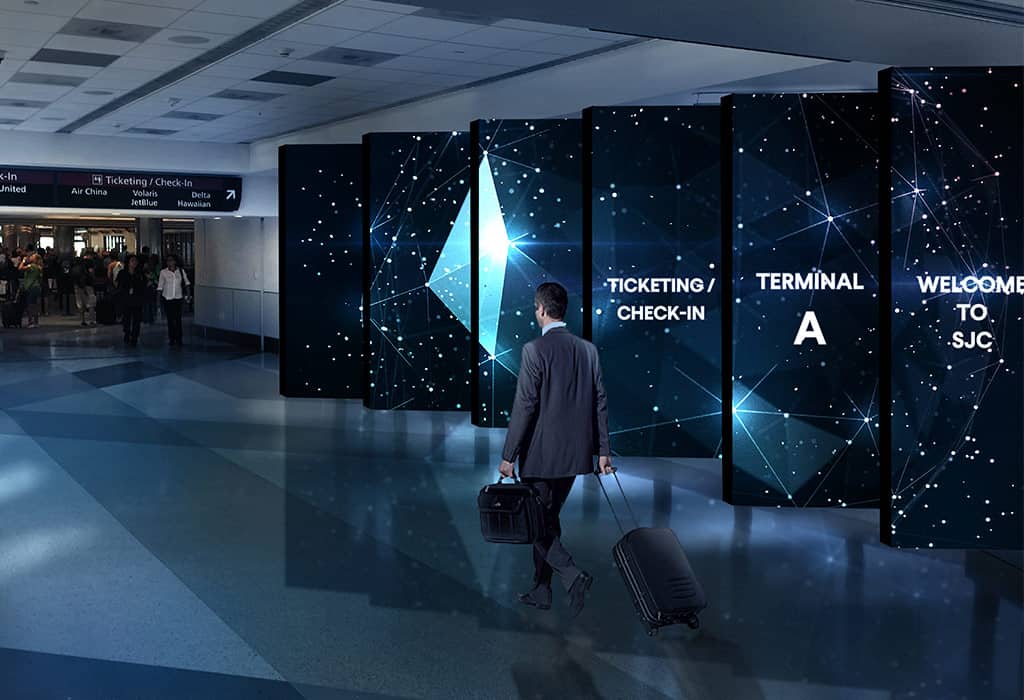
LED video wall installations are rarely plug-and-play. Every environment, whether it’s a corporate lobby, sports arena, or broadcast studio, has unique demands that standard, off-the-shelf solutions can’t always meet. Without early coordination between the integrator and vendor, mismatches in panel size, pixel pitch, or mounting requirements can surface late in the process, leading to redesigns or costly delays.

Site conditions can also create unexpected challenges. The wall might not be level, available power may fall short, or ceiling structures might not support the intended load. Even small oversights can snowball, turning a smooth installation into a stressful, over-budget scramble. These situations not only hurt the project’s profitability but can also damage an integrator’s reputation in a competitive market where word spreads quickly.

Common Pitfalls AV Integrators Face Without a Partnership

When integrators approach a project without the right vendor partnership, the risks multiply. One of the most common pitfalls is overreliance on generic specifications provided by manufacturers who don’t account for the specific conditions of the job site. This often results in materials arriving that are technically “correct” but functionally unworkable in the intended space.

Another frequent issue is underestimating the time needed for custom fabrication or shipping. Without a clear production timeline aligned with your installation schedule, even a minor delay in delivery can push back an entire project, sometimes by weeks. Finally, without a vendor who offers technical guidance, small oversights in power distribution, structural support, or environmental adjustments can lead to system failures or subpar performance once the display goes live.

The Power of Early Vendor Collaboration

The most successful AV integrators share a common practice: they involve their LED vendor at the very beginning of the project. From the moment a bid is being developed, having access to accurate engineering specifications, custom design options, and real-world installation insights helps create proposals that are both competitive and dependable.

Early collaboration makes it easier to identify potential challenges and address them before they affect schedules or budgets. When integrators coordinate with vendors from the start, they can confirm details such as load requirements, power needs, and site-specific conditions well in advance. This proactive approach minimizes last-minute changes, prevents costly delays, and helps build stronger client confidence throughout the project.

What to Look for in an LED Partner

Not all vendors are equipped to support high-complexity LED projects. Choosing the right partner can mean the difference between a smooth installation and an expensive salvage effort.

First, look for a partner with in-house engineering capabilities, not just a sales team. You need access to technical experts who can evaluate your site conditions, design around them, and produce accurate documentation.

Second, prioritize vendors who can manufacture or adapt hardware to your exact specifications. Customization is often essential to achieving a seamless integration, and not every manufacturer has the flexibility to deliver it.

Finally, choose a partner who is committed to post-sale support. Even the best installations require fine-tuning, and having a responsive, knowledgeable support team available after the project is complete ensures that both you and your client remain confident in the solution for years to come.

Building for the Space, Not Against It

One of the most common causes of project delays is trying to fit standard hardware into a space it wasn’t designed for. This can result in awkward framing, visible seams, and poor viewing angles that are difficult to fix once the display is installed.

To avoid these issues, it’s best to plan for equipment that matches the unique specifications of the project. Custom or adaptable LED solutions can ensure that the display fits seamlessly into the environment, maintaining both the functional and aesthetic goals of the design. By aligning technology with the space, integrators can achieve a cleaner installation and deliver a final result that looks intentional and performs reliably.

Managing Complexity Without Losing Control

Even with the right hardware, complex LED projects require a level of coordination that can overwhelm unprepared teams. Multiple trades may be working on the same site. Deadlines can shift. And in many cases, installations must be completed during tight operational windows to avoid disrupting business.

This is where our project management support becomes a game-changer. We work alongside your team to develop clear installation plans, from rigging and mounting strategies to cable routing and final commissioning. If needed, we provide on-site technical assistance to ensure that your team can move quickly and confidently through each stage of the build. The result is a project that stays on track, even when conditions change.

Protecting Margins and Reputation

Every hour spent troubleshooting preventable issues eats into your profits. Worse, it can leave a lasting impression on your client, one that overshadows even the most impressive final product. By working with a vendor that prioritizes accuracy, transparency, and partnership, you protect both your bottom line and your reputation.

At PixelFLEX, our goal is simple: to make your job easier. We eliminate guesswork, reduce risk, and help you deliver installations that clients can’t stop talking about, in the best way possible.

Deliver LED Projects with Confidence

In today’s competitive AV market, your success depends on more than just winning bids. It depends on your ability to execute complex LED projects with precision, predictability, and professionalism. With PixelFLEX LED as your partner, you gain the engineering expertise, custom manufacturing capabilities, and hands-on support to move from bid to installation without the costly surprises that derail projects.

Explore our LED display solutions | See our case studies | Start a partnership with PixelFLEX LED


Mastering LED Project Planning: How AV Integrators Can Deliver on Time, Every Time

In the world of AV integration, the most impressive LED installations don’t happen by accident. They are the result of careful planning, proactive communication, and a clear strategy that carries a project from the first client conversation to the final system check.

Yet too often, AV integrators are forced into a reactive role—responding to unexpected challenges instead of anticipating them. The result? Delays, cost overruns, and unnecessary stress for everyone involved.

The best direct view LED companies work with AV professionals to change that dynamic. By combining technical expertise with a collaborative planning process, we help integrators take control of their timelines and deliver LED projects that meet expectations the first time.

The Planning Phase That Sets the Tone for Success

The earliest stages of a project are where the most important decisions are made. This is when site conditions are documented, budgets are finalized, and the overall vision takes shape. For AV integrators, it’s also the best opportunity to align with a trusted LED partner who can provide accurate specifications, realistic lead times, and design input before the project leaves the proposal stage.

Strong planning means fewer assumptions. Instead of guessing about power needs or weight capacities, you’re working with verified data. Instead of scrambling to adjust panel dimensions mid-installation, you’re working from designs that were created with the actual site in mind.

By treating the planning phase as a strategic investment, integrators can eliminate the surprises that cause the most disruption later on.

Understanding the Project Environment

No two installations are alike, and the physical environment can make or break a design. Room geometry, lighting conditions, mounting surfaces, and even HVAC systems can all influence how an LED display performs.

PixelFLEX helps integrators evaluate these factors early, using virtual modeling and detailed site reviews to ensure that every design choice supports both the technical and aesthetic goals of the project. This isn’t about adjusting on the fly—it’s about building a system that is engineered for the exact environment it will live in.

When every variable is accounted for in advance, installation becomes a straightforward execution rather than a series of high-stakes problem-solving sessions.

Coordinating Multiple Stakeholders

Large LED projects often involve more than just the integrator and the vendor. Architects, general contractors, electricians, and content teams all play a role—and if they’re not aligned, small miscommunications can snowball into major setbacks.

A good LED partner acts as a point of stability in that mix, ensuring everyone is working from the same information and toward the same deadlines. At PixelFLEX, we join your coordination calls, review construction drawings, and provide input that keeps other trades from inadvertently creating obstacles for your installation.

When each stakeholder understands the unique requirements of the LED system, the project flows more smoothly, and costly scheduling conflicts are avoided.

Managing Lead Times and Logistics

Even the best design can falter if materials don’t arrive when they’re needed. LED panels, mounting hardware, and control systems are often produced to order—meaning lead times must be factored into the project schedule from the very beginning.

Integrators who plan with their vendor from day one can secure production slots, account for shipping timelines, and ensure on-site crews aren’t left waiting for parts. PixelFLEX provides detailed production schedules that align with your installation plan, giving you confidence in your timeline and keeping your client informed every step of the way.

Avoiding the Hidden Costs of Rushed Work

Last-minute changes aren’t just stressful—they’re expensive. Overtime labor, expedited shipping, and rework all eat into your profit margin. More importantly, they can diminish the quality of the final installation.

The key to avoiding these pitfalls is building in buffers during the planning phase. That means allowing time for engineering reviews, site readiness checks, and content testing before the display goes live. As your LED partner, we help you anticipate where bottlenecks might occur and adjust your schedule before they become critical issues.

Turning Planning into a Competitive Advantage

In a competitive bid situation, the integrator who demonstrates the most complete understanding of the project’s requirements often wins the contract. Detailed timelines, precise specifications, and realistic delivery dates give clients confidence in your ability to deliver.

By partnering with PixelFLEX, you can walk into those meetings with more than just a price—you can present a plan that shows exactly how their vision will be achieved, on time and without unnecessary risk. This shifts the conversation from cost to value, giving you a distinct edge over competitors who rely on generic proposals.

Why PixelFLEX Planning Delivers Better Results

Our approach to LED project planning is rooted in collaboration. From the moment you engage us, we become an active part of your team—anticipating challenges, contributing technical expertise, and aligning our processes with yours.

We don’t just ship panels; we engineer solutions. We don’t just provide specs; we confirm that those specs will work in the real-world conditions of your site. And we don’t just meet deadlines; we help you create timelines that make sense for your team, your client, and your budget.

When the planning is right, the installation becomes predictable. And when the installation is predictable, your clients remember you as the integrator who delivered exactly what you promised.


Deliver LED Projects That Stay on Schedule

In the fast-paced AV market, on-time delivery isn’t optional—it’s essential. With the right planning, the right partner, and the right process, you can take control of even the most complex LED projects and see them through without compromise.

With PixelFLEX LED, you get more than products. You get a planning partner who ensures every detail is accounted for, every stakeholder is aligned, and every deadline is met.

Explore our LED display solutions | See our case studies | Start a partnership with PixelFLEX LED

×
Need Help?
X

Ready to Talk?

Our team is ready to connect.