 (800) 930-7954

 House of Worship
 Transportation
 Trade shows led display
 retail
 Creative Led Solutions
 Hospitality
 Higher Education
 Corporate LED











Adaptive Architecture: Why LED Displays Are the Next Frontier in Design
Modern architecture is no longer confined to fixed forms and static surfaces. It thrives on innovation, on pushing past boundaries where design, function, and experience merge to create spaces that communicate, adapt, and inspire. The most forward-thinking structures are more than places to inhabit; they are living expressions of vision.
Architectural LED display technology has become a powerful medium for integrating creative elements into a space. It gives architects the freedom to move beyond traditional limitations, transforming buildings into dynamic visual statements that shift, respond, and evolve. Far from being an afterthought, LED has emerged as a design element in its own right, one that can be woven seamlessly into the very fabric of a building.
This is the story of how LED displays empower architects to merge light, motion, and interactivity with architectural form that supports both bold creative ideas and lasting functionality.
Design Beyond Static Boundaries
In the past, buildings were defined by their physical structure. Facades, surfaces, and shapes were fixed once construction was complete. Today, LED displays allow those same surfaces to become active components of a design that can tell a story, shifting with the environment, and evolving with time.
Instead of relying solely on static materials, architects can now integrate dynamic content into their structures. A glass curtain wall can transform into a living canvas for digital art. A corporate headquarters can feature a façade that evolves with the brand’s seasonal campaigns. Public installations can invite interaction that spark curiosity and draw people closer.
Creating Architecture That Adapts Over Time
One of the most powerful benefits of LED in architectural design is adaptability. Buildings rarely serve the same purpose for decades without change. Tenants come and go, brands evolve, cultural priorities shift. Static signage or fixed decorative elements can quickly feel dated, requiring costly renovations to stay relevant.
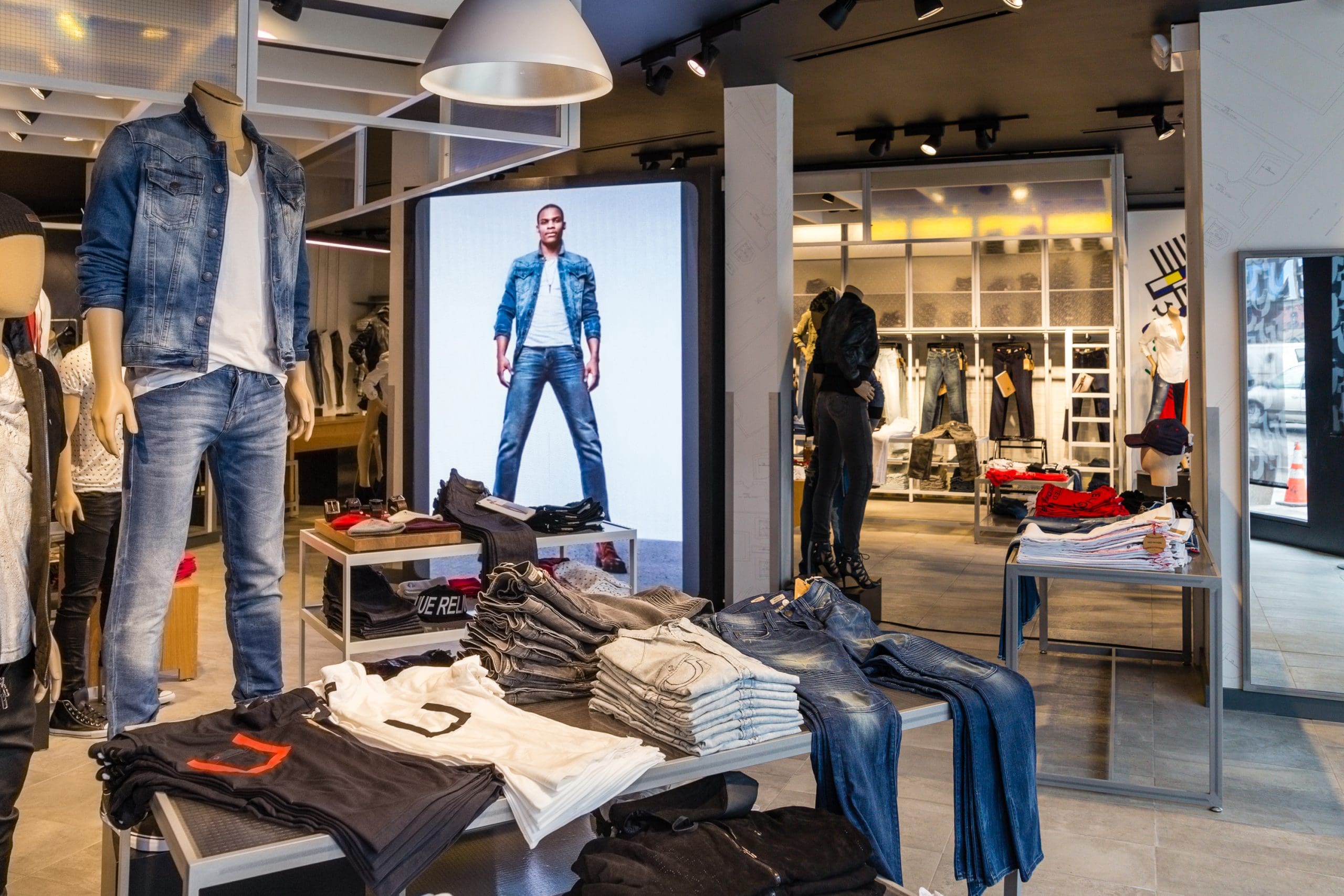
LED changes that equation by enabling content to evolve instantly without altering the structure. A retail flagship can refresh its storefront every month to reflect new product launches. A stadium can adapt its look for different sports seasons, community events, or cultural celebrations. A corporate lobby can integrate real-time data visualizations, shifting to reflect company milestones or live market conditions.
This adaptability not only extends the relevance of a design but also makes it a responsive part of the urban environment. A building no longer must remain visually static; it can breathe with the city around it.
Elevating the User Experience
Architecture has always been about more than form, it is about how people experience a space. LED displays open new possibilities for guiding, informing, and delighting users without disrupting a building’s aesthetics.
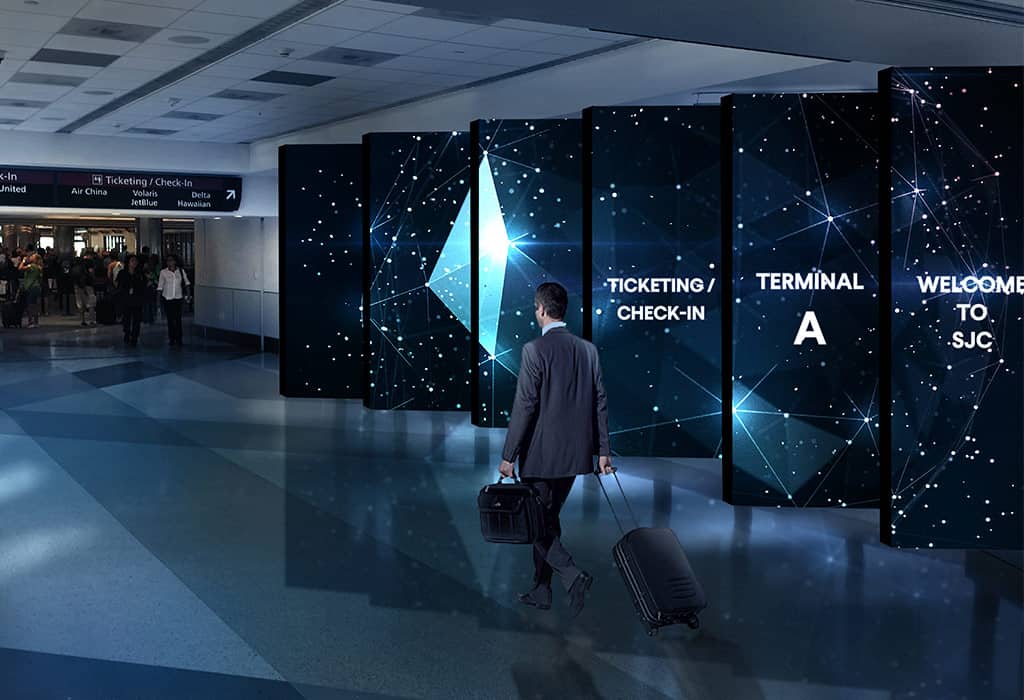
Consider a transit hub where dynamic LED wayfinding shifts in response to passenger flow, directing people toward less congested exits. Or a cultural venue where subtle, color-shifting installations help visitors intuitively navigate through galleries. Even safety cues, such as soft pulsing lights indicating emergency routes, can be integrated without breaking the visual harmony of the architecture.
These design choices enhance usability while maintaining visual integrity. They invite interaction not as a distraction, but as a natural part of the journey through the space.
Blurring the Line Between Inside and Out
Today’s architecture often seeks to create a sense of continuity between interior and exterior environments. Transparent and weather-rated LED technologies now make it possible to extend a design language seamlessly across both.
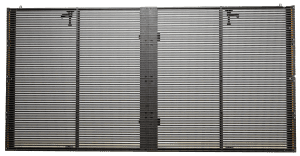
A glass façade can carry animated patterns during the evening while remaining clear and light-filled during the day. A semi-transparent LED mesh can give depth and dimension to a lobby, acting as a bridge between the public view outside and the private environment within. Outdoor LED installations can be integrated into landscaping, allowing buildings and their surroundings to share a single narrative.
The result is an architectural story that flows naturally from the street to the interior. It is an experience that feels cohesive, intentional, and immersive.
The Rise of Responsive, Intelligent Architecture
As smart building technology advances, LED displays are becoming part of a larger ecosystem of responsive design. The next generation of architectural LED is not just visually impressive, it is intelligent.
Imagine a façade that changes color temperature based on the time of day, complementing natural light cycles. Or a civic building whose exterior illuminates with data visualizations reflecting community initiatives or environmental metrics. Public installations can be activated by human presence, responding to motion, touch, or even sound.
These capabilities open new creative avenues while also supporting sustainability goals. Energy usage can be optimized through sensors that adjust brightness in response to ambient light or weather conditions. Content can be programmed to run at lower intensity during off-peak hours, reducing environmental impact without sacrificing visual effect.
A Collaborative Process with Architects
Technology alone does not create great design. The best results come from collaboration, where architectural vision and LED expertise intersect. At PixelFLEX LED, we see ourselves as partners in the design process, working with architects from the earliest concept stages to ensure that LED is integrated seamlessly, both visually and structurally.
That collaboration might mean engineering a custom display system to fit an unconventional building form. It might involve providing detailed specifications so that structural, electrical, and content requirements align perfectly before construction begins. It often means brainstorming creative ways to use LED not just as signage, but as a living part of the building’s identity.
Every project is a balance of imagination and precision. Our role is to provide the technical foundation that allows architects to think freely, knowing that their ideas can be executed reliably and beautifully.
Design Without Limits
Architectural LED displays are reshaping the way we think about space, structure, and storytelling. They offer architects a living medium, one that can be molded, animated, and reimagined without tearing down walls or starting from scratch.
Whether your vision is a kinetic façade, a multi-sensory interior environment, or a design that evolves with the seasons, LED technology can make it possible. More than that, it can ensure your work remains relevant and impactful for years to come.
At PixelFLEX LED, we believe in architecture without limits. And with LED, those limits are disappearing faster than ever.
Explore our LED display solutions | See our case studies | Start a partnership with PixelFLEX LED