Design in Harmony: How LED Displays Elevate Architecture Without Overpowering It

Architects are no strangers to innovation. But for many, LED displays have been a double-edged sword: capable of incredible visual impact, yet often seen as disruptive or out of place when paired with refined architecture. It’s a fair concern. Too often, screens are tacked onto buildings with little thought for proportion, material compatibility, or the visual language of the space.

Done poorly, LED becomes a distraction. Done well, it becomes a seamless extension of the architecture itself — enhancing form, enriching storytelling, and reinforcing the design’s intent.

At PixelFLEX LED, we work with architects to ensure LED technology complements the building rather than competes with it. The goal is simple: every installation should feel like it belongs there from day one, not like an afterthought.

Addressing the Skepticism

It’s not hard to see where the hesitation comes from. Walk through any urban center and you’ll find examples of mismatched LED applications: oversized panels slapped onto glass facades, low-resolution screens that clash with premium materials, and lighting that overwhelms rather than illuminates. 

But these missteps are not the fault of the medium — they’re the result of poor integration. Just as stone, glass, and steel each have to be applied thoughtfully, LED requires an understanding of proportion, placement, and harmony with its surroundings. When approached with that mindset, LED ceases to be “technology on a building” and becomes part of the building’s DNA. 

Proportion, Scale, and Placement

One of the most important considerations in integrating LED into architecture is scale. An LED element should feel proportionate to the surfaces and forms around it. If it’s too large, it can overpower the structure; too small, and it feels like an afterthought. 

Take, for example, a hospitality project where a custom-sized LED wall was designed to fit perfectly within a recessed lobby feature. Rather than dominating the space, the display filled the frame with precision, aligning with sightlines and architectural detailing. Guests saw it as part of the lobby’s identity, not as a separate technological layer. 

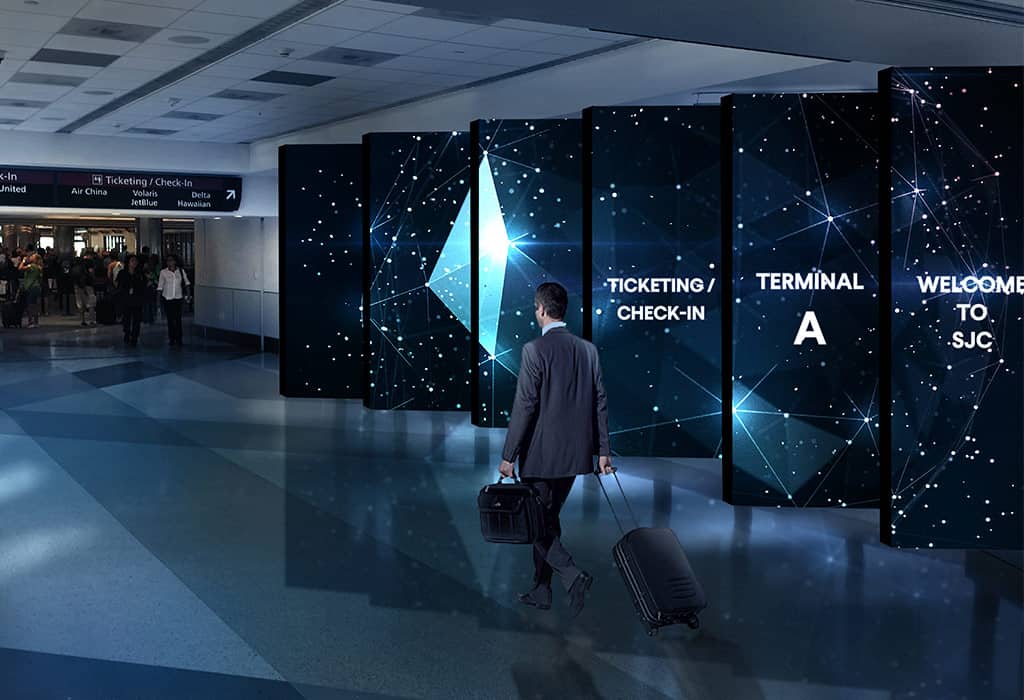
Placement also matters. LED can act as a focal point or a subtle enhancement, depending on where and how it’s integrated. When positioned to follow the natural flow of movement — at an entryway, along a feature wall, or at a visual terminus — it draws the eye without competing with other design elements. 

But these missteps are not the fault of the medium — they’re the result of poor integration. Just as stone, glass, and steel each have to be applied thoughtfully, LED requires an understanding of proportion, placement, and harmony with its surroundings. When approached with that mindset, LED ceases to be “technology on a building” and becomes part of the building’s DNA. 

Material Compatibility

A successful LED installation respects the materials around it. This means considering how finishes, textures, and colors interact with the display, both when it’s active and when it’s powered down. 

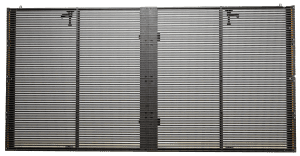
For a corporate headquarters project, the LED modules were set behind a fine metal mesh that echoed the building’s facade pattern. When the display was off, the surface read as a continuous architectural element. When on, content glowed through with clarity, adding depth without breaking the material rhythm. 

The same principle applies with glass, stone, wood, or concrete. Whether through custom framing, recessed mounting, or transparent LED technology, the integration should feel intentional — as if the building and display were designed together from the start. 


Blending Day and Night Identities

Another challenge in aesthetic integration is ensuring the building looks equally compelling during the day and at night. LED can change the character of a space after dark, but if not handled thoughtfully, the transition can feel jarring.

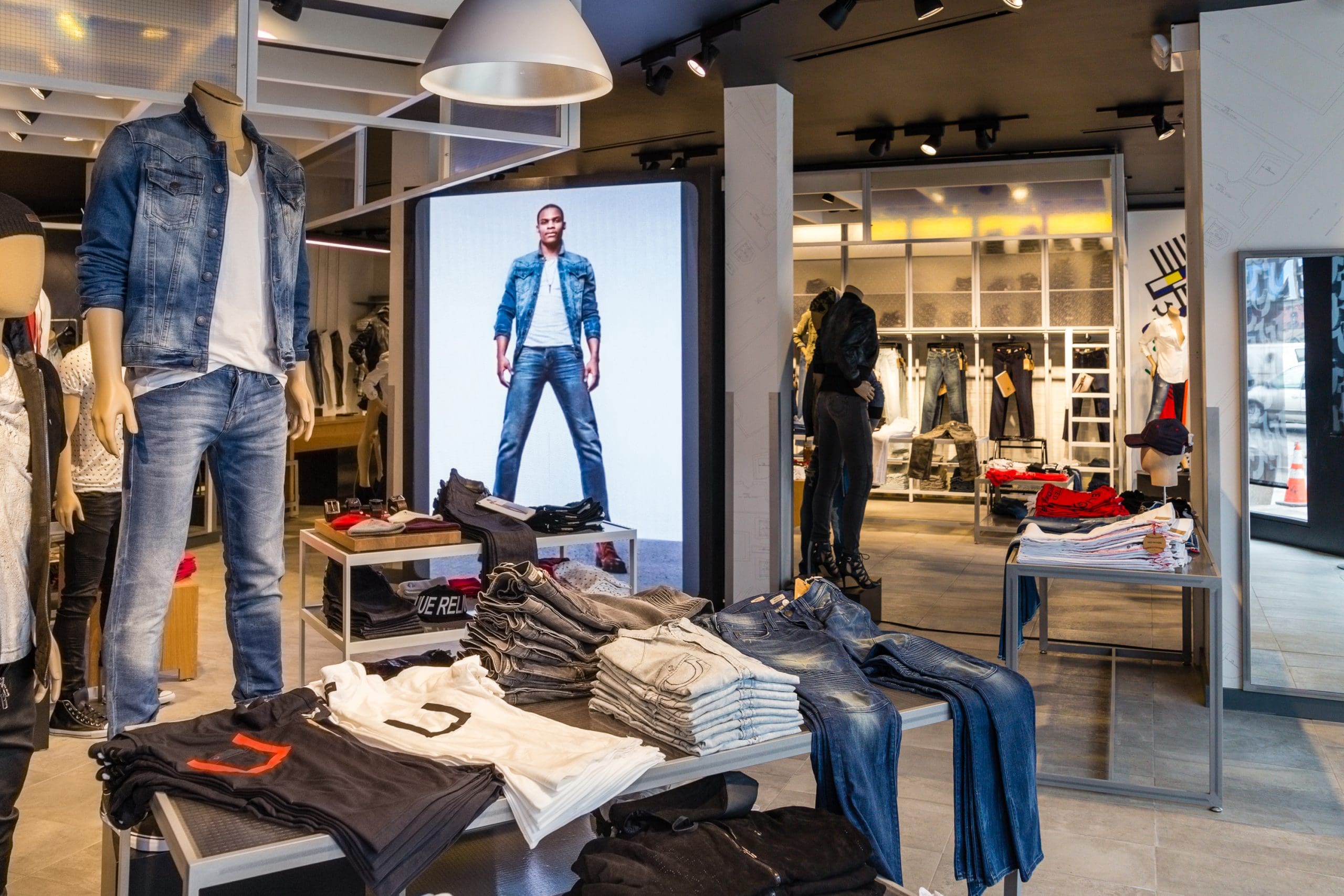
Architects can maintain consistency by selecting display brightness, color temperature, and content styles that align with the building’s daytime personality. A high-end retail flagship, for instance, might use warm, low-intensity motion graphics after sunset to echo the softness of its interior lighting, ensuring the exterior never feels at odds with the brand.

This kind of design continuity builds trust with viewers — they experience a space that feels complete at all times, rather than one that changes character in ways that feel disconnected or overwhelming.

Engagement Without Disruption

Interactivity is one of LED’s most exciting possibilities, but in the context of architecture, it must be used with restraint. The goal is to invite participation while respecting the mood and function of the space.

In a cultural center, for example, a motion-responsive installation in the lobby might reveal shifting patterns of color and form as visitors pass by — a subtle, almost meditative experience that draws them in without dominating conversation or creating visual noise.

Exterior applications can follow the same principle. A public plaza installation might respond to changes in weather, gradually shifting tone and intensity rather than abruptly changing visuals. The interactivity becomes a quiet layer of engagement, woven into the daily rhythm of the site.

Collaboration from the Ground Up

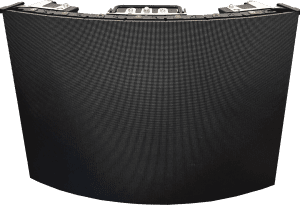
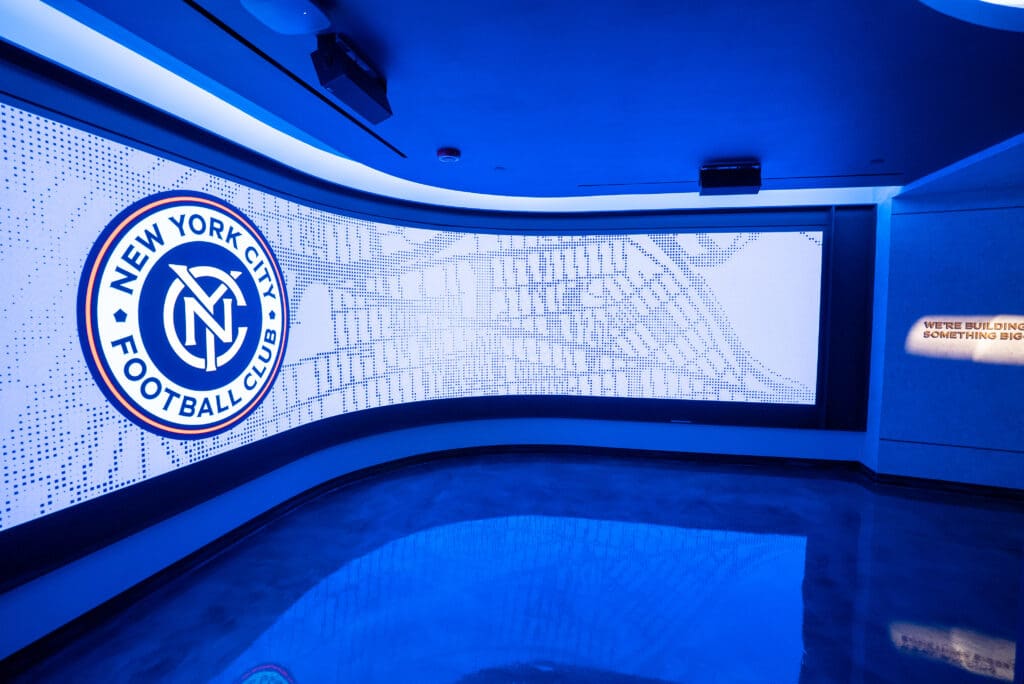
Curved LED video wall installation at NYC Football Club stadium.

The most harmonious LED integrations happen when architects and display specialists collaborate from the earliest design stages. This allows technical considerations — like structural support, ventilation, and power routing — to be addressed alongside aesthetic goals, ensuring nothing feels bolted on at the last minute.

At PixelFLEX LED, we work hand in hand with architects to develop custom display solutions that meet exacting specifications. That could mean creating a curved LED feature wall to echo the lines of an atrium, designing weatherproof exterior elements to blend into a facade, or engineering slim-profile displays that vanish into millwork when not in use.

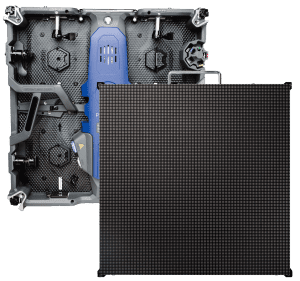
This collaborative approach also ensures that installation logistics don’t compromise the final design. Mounting systems, cable management, and access panels are planned with the same care as the display surface itself, so that every visible element aligns with the architect’s intent.

Preserving Architectural Integrity

The ultimate measure of success for an architectural LED display is whether it feels like it belongs. It should contribute to the building’s identity without taking it over, adding value to the user experience while preserving — and ideally enhancing — the original design vision.

This philosophy applies across project types. In hospitality, it might mean integrating LED into a custom chandelier that becomes the lobby’s centerpiece. In retail, it could be a transparent window display that draws customers in without blocking the view of the store interior. In public architecture, it might be a large-scale art installation that becomes a landmark without overshadowing the structure itself.

Bringing Your Vision to Light

At PixelFLEX LED, our role is to help architects harness LED technology in ways that serve the design first. We bring technical expertise to aesthetic goals, ensuring that every project achieves both beauty and performance.

Whether you’re envisioning a discreet digital enhancement or a signature architectural feature, our team is ready to collaborate — from concept development to final installation — to make sure your vision is realized without compromise.

Explore our LED display solutions | See our case studies | Start a partnership with PixelFLEX LED

×
Need Help?
X

Ready to Talk?

Our team is ready to connect.