(800) 930-7954
Communicate worship schedules and sermon messages while engaging your congregation with visual technology.
View More
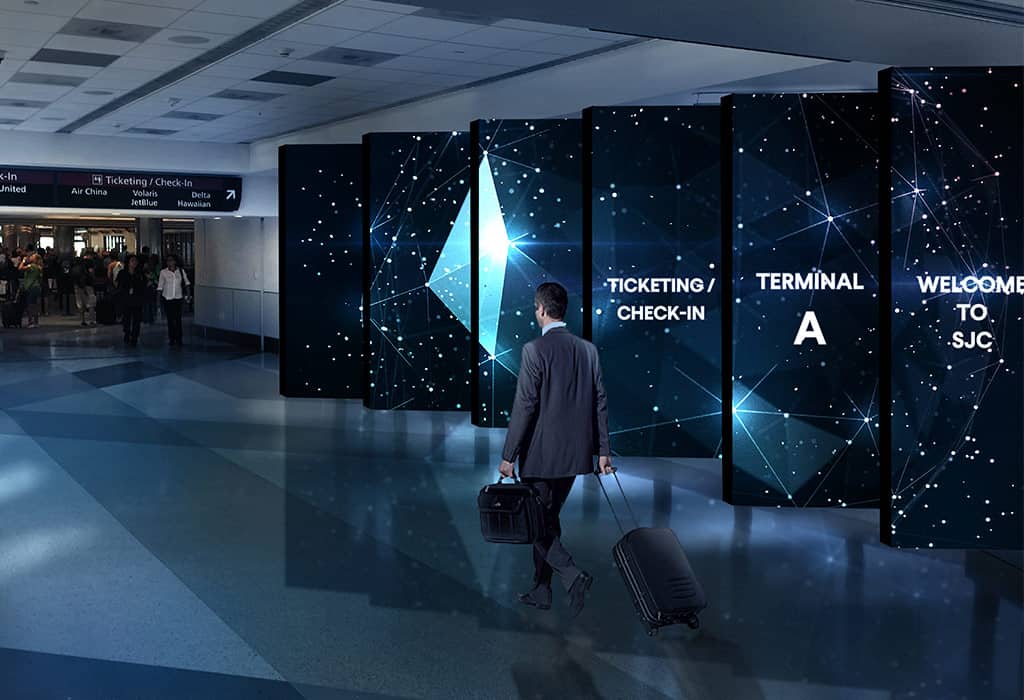
LED displays in transportation settings, such as airports, train stations, and bus terminals, serve as dynamic platforms for real-time information, advertising, and wayfinding, enhancing passenger experience with clear, up-to-date travel details and announcements.
View More
Differentiate yourself from the competition by incorporating a digital experience in your booth with our trade show LED displays.
View More
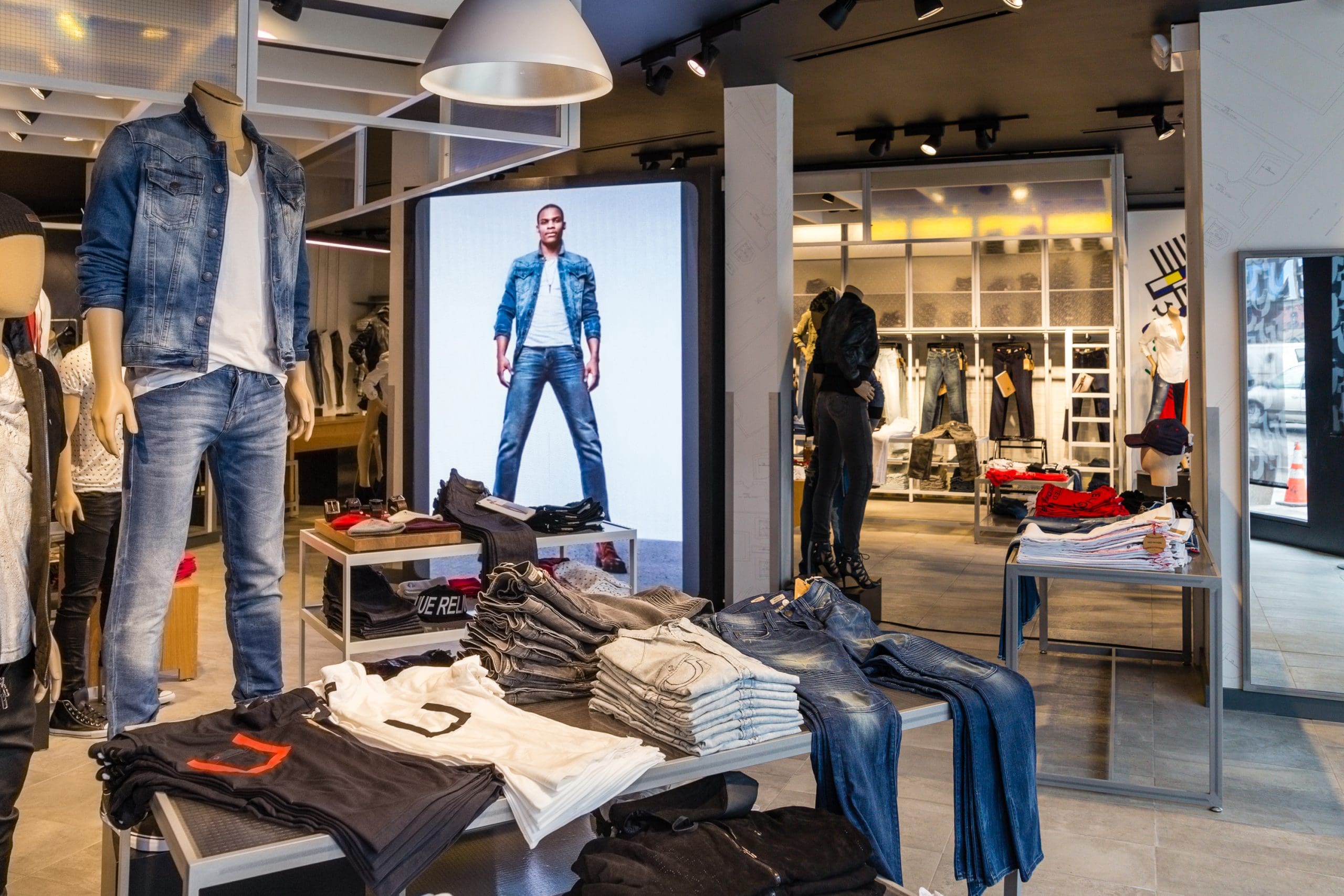
Communicate your brand’s message, stand out from the competition and engage your target market with LED digital signage.
View More
We offer creative solutions at cost-effective rates. You will be able to deliver your sermons more effectively and engage your congregation through one-of-a-kind lyric video walls and house of worship LED displays.
View More
Enhance ambiance, display interactive directories and wayfinding displays, and promote amenities and events to elevate the guest experience.
View More
Incorporate digital displays to enhance your students’ learning experience and market to prospective students and donors.
View More
Transform your corporate spaces with PixelFLEX LED video displays. Enhance communication, elevate branding, and create dynamic environments.
View MoreArchitectural design has always been about vision — shaping spaces that connect with people through form, function, and feeling. In recent years, LED displays have become a powerful part of that vision. From a massive exterior video wall that turns a building into a nighttime landmark to a subtle, dynamic lobby installation that changes the mood of a space, LED technology has expanded what’s possible in the built environment.
But as exciting as these possibilities are, translating them from concept to completion can be far from simple. The creative ideas that seem limitless in the design phase can meet roadblocks in engineering, compliance, or installation. Technical missteps, late-stage compromises, and communication gaps can dilute the original design intent — or worse, prevent the project from moving forward at all.
At PixelFLEX LED, we believe that technology should serve the vision, not limit it. The most compelling architectural LED integrations happen when creative ambition is paired with technical precision from day one. Here’s how that happens, and how the most common hurdles can be transformed into opportunities for stronger design.
One of the most common issues we see is LED being treated as an add-on rather than an integrated design element. When the decision to include a display happens late in the process, the architectural space has often already been planned without accounting for its structural, electrical, and environmental needs.
This can lead to rushed compromises — reducing display size to fit into an existing wall opening, accepting visible seams where none were intended, or choosing a mounting method that disrupts the design language.
The solution is simple but often overlooked: bring the LED conversation into the earliest stages of design. When architects, engineers, and LED specialists collaborate from the start, the result is not just better integration, it’s a display that feels native to the architecture. In one corporate project, early planning allowed the design team to recess a large-scale display into a custom feature wall, hiding all technical components while preserving the clean sightlines of the lobby. Without that early involvement, the display would have required a bulky surface mount that would have disrupted the space’s minimal aesthetic.
Architects are experts in spatial vision, not in calculating the power distribution for thousands of LED modules or planning ventilation for high-performance electronics. Yet these technical factors — along with structural loads, weatherproofing, and heat management — can make or break an installation.
Too often, the technical information architects receive from vendors is either incomplete or overly dense. It becomes another barrier in the design process, making it difficult to confidently specify a product or finalize details with contractors.
The answer isn’t to expect architects to become LED engineers, it’s to translate complex requirements into clear, actionable design information. For a recent public plaza project, our team provided fully scaled engineering diagrams that overlaid display specifications onto the architect’s own CAD drawings. This made it easy for the design team to see exactly how the display would interact with surrounding materials, where structural reinforcement would be needed, and how to plan routing for power and data — without ever feeling like they were reading a technical manual.
Even when the design and technical specs are perfect on paper, the project can falter if communication breaks down between the architect, LED manufacturer, AV integrator, and contractors. Misunderstandings about mounting details, ventilation clearances, or even the intended resolution of the display can lead to costly delays.
We’ve seen this avoided through deliberate project management and cross-discipline coordination. In one museum installation, our role went beyond supplying the LED system — we attended construction meetings, reviewed mock-ups, and worked directly with millworkers to ensure the display enclosure matched the surrounding finishes exactly. By acting as the bridge between creative and technical teams, we kept the installation on schedule and preserved every detail of the original design intent.
Pushing creative boundaries is part of every great architectural project — but it can’t come at the cost of safety, accessibility, or regulatory compliance. For LED displays, these considerations extend beyond the obvious. They can include weight limits for suspended elements, ADA standards for viewing angles and placement, and even ventilation requirements tied to electrical code.
Addressing these factors late in the process can lead to last-minute redesigns that strip away the essence of the original concept. Addressing them from the start makes them part of the creative solution.
On a large-scale exterior installation, our team worked with both the architect and the local permitting office before fabrication began. By presenting detailed mounting specs, wind-load calculations, and heat dissipation data, we secured approvals without altering the display’s footprint or brightness. The result met both the creative vision and the most rigorous safety standards — a win for design and compliance alike.
One of the fastest ways to lose the integrity of a design is to force it to fit a pre-made display format. Standard LED panels may work for conventional installations, but architectural projects often demand more — unique dimensions, curved surfaces, or unusual mounting conditions.
Rather than reshaping the design to accommodate the technology, the technology can be reshaped to serve the design. In a performing arts center project, we created a series of custom LED panels to match the curve and taper of an existing architectural feature. Each panel was built to exact dimensions, allowing the display to read as part of the building rather than an added object.
Custom solutions like this not only preserve the design language but also open creative possibilities that would be impossible with off-the-shelf components.
The truth is, every architectural LED project will have challenges. The question is whether they are discovered early enough to be solved without compromise. With the right partnership, each challenge becomes an opportunity to refine and strengthen the design.
By engaging LED specialists early, translating technical requirements into clear design actions, coordinating across disciplines, addressing compliance proactively, and customizing the technology to the architecture, architects can design with confidence — knowing their vision will survive the journey from concept to completion.
At PixelFLEX LED, our role is to remove barriers between an architect’s idea and its execution. We provide not just the technology, but the collaboration, communication, and customization that ensure LED integration serves the architecture at every stage.
From the first sketch to the final inspection, we’re committed to making LED a medium that enhances your design without limiting it. With every project, our goal is the same: to see your creative intent not just survive the process, but emerge stronger because of it.
Explore our LED display solutions | See our case studies | Start a partnership with PixelFLEX LED
Modern architecture is no longer confined to fixed forms and static surfaces. It thrives on innovation, on pushing past boundaries where design, function, and experience merge to create spaces that communicate, adapt, and inspire. The most forward-thinking structures are more than places to inhabit; they are living expressions of vision.
Architectural LED display technology has become a powerful medium for integrating creative elements into a space. It gives architects the freedom to move beyond traditional limitations, transforming buildings into dynamic visual statements that shift, respond, and evolve. Far from being an afterthought, LED has emerged as a design element in its own right, one that can be woven seamlessly into the very fabric of a building.
This is the story of how LED displays empower architects to merge light, motion, and interactivity with architectural form that supports both bold creative ideas and lasting functionality.
In the past, buildings were defined by their physical structure. Facades, surfaces, and shapes were fixed once construction was complete. Today, LED displays allow those same surfaces to become active components of a design that can tell a story, shifting with the environment, and evolving with time.
Instead of relying solely on static materials, architects can now integrate dynamic content into their structures. A glass curtain wall can transform into a living canvas for digital art. A corporate headquarters can feature a façade that evolves with the brand’s seasonal campaigns. Public installations can invite interaction that spark curiosity and draw people closer.
One of the most powerful benefits of LED in architectural design is adaptability. Buildings rarely serve the same purpose for decades without change. Tenants come and go, brands evolve, cultural priorities shift. Static signage or fixed decorative elements can quickly feel dated, requiring costly renovations to stay relevant.
LED changes that equation by enabling content to evolve instantly without altering the structure. A retail flagship can refresh its storefront every month to reflect new product launches. A stadium can adapt its look for different sports seasons, community events, or cultural celebrations. A corporate lobby can integrate real-time data visualizations, shifting to reflect company milestones or live market conditions.
This adaptability not only extends the relevance of a design but also makes it a responsive part of the urban environment. A building no longer must remain visually static; it can breathe with the city around it.
Architecture has always been about more than form, it is about how people experience a space. LED displays open new possibilities for guiding, informing, and delighting users without disrupting a building’s aesthetics.
Consider a transit hub where dynamic LED wayfinding shifts in response to passenger flow, directing people toward less congested exits. Or a cultural venue where subtle, color-shifting installations help visitors intuitively navigate through galleries. Even safety cues, such as soft pulsing lights indicating emergency routes, can be integrated without breaking the visual harmony of the architecture.
These design choices enhance usability while maintaining visual integrity. They invite interaction not as a distraction, but as a natural part of the journey through the space.
Today’s architecture often seeks to create a sense of continuity between interior and exterior environments. Transparent and weather-rated LED technologies now make it possible to extend a design language seamlessly across both.
A glass façade can carry animated patterns during the evening while remaining clear and light-filled during the day. A semi-transparent LED mesh can give depth and dimension to a lobby, acting as a bridge between the public view outside and the private environment within. Outdoor LED installations can be integrated into landscaping, allowing buildings and their surroundings to share a single narrative.
The result is an architectural story that flows naturally from the street to the interior. It is an experience that feels cohesive, intentional, and immersive.
As smart building technology advances, LED displays are becoming part of a larger ecosystem of responsive design. The next generation of architectural LED is not just visually impressive, it is intelligent.
Imagine a façade that changes color temperature based on the time of day, complementing natural light cycles. Or a civic building whose exterior illuminates with data visualizations reflecting community initiatives or environmental metrics. Public installations can be activated by human presence, responding to motion, touch, or even sound.
These capabilities open new creative avenues while also supporting sustainability goals. Energy usage can be optimized through sensors that adjust brightness in response to ambient light or weather conditions. Content can be programmed to run at lower intensity during off-peak hours, reducing environmental impact without sacrificing visual effect.
Technology alone does not create great design. The best results come from collaboration, where architectural vision and LED expertise intersect. At PixelFLEX LED, we see ourselves as partners in the design process, working with architects from the earliest concept stages to ensure that LED is integrated seamlessly, both visually and structurally.
That collaboration might mean engineering a custom display system to fit an unconventional building form. It might involve providing detailed specifications so that structural, electrical, and content requirements align perfectly before construction begins. It often means brainstorming creative ways to use LED not just as signage, but as a living part of the building’s identity.
Every project is a balance of imagination and precision. Our role is to provide the technical foundation that allows architects to think freely, knowing that their ideas can be executed reliably and beautifully.
Architectural LED displays are reshaping the way we think about space, structure, and storytelling. They offer architects a living medium, one that can be molded, animated, and reimagined without tearing down walls or starting from scratch.
Whether your vision is a kinetic façade, a multi-sensory interior environment, or a design that evolves with the seasons, LED technology can make it possible. More than that, it can ensure your work remains relevant and impactful for years to come.
At PixelFLEX LED, we believe in architecture without limits. And with LED, those limits are disappearing faster than ever.
Explore our LED display solutions | See our case studies | Start a partnership with PixelFLEX LED
In the AV industry, success isn’t just about the technology you deliver—it’s about the partnerships you build along the way. For AV integrators, having the right LED display partner can mean the difference between winning a competitive bid and losing it to someone with faster, more reliable solutions.
AV integrators are navigating a market that’s more competitive than ever. Clients are asking tougher questions about ROI, sustainability, and scalability. Timelines are tightening. And the demand for unique, high-impact visual solutions is only increasing.
Going it alone means taking on all the technical, logistical, and creative challenges yourself. But with the right partner, you can expand your capabilities without increasing overhead, allowing you to focus on your clients while we handle the heavy lifting on LED design, engineering, and support.
Partnerships also help you respond to opportunities faster. When a client needs a custom LED solution on a short timeline, having a partner that already understands your process and has a proven track record with you can make the difference between landing the job and missing out.
Not all LED manufacturers or resellers operate the same way, and not all are a good fit for AV integrators. When evaluating a potential LED partner, consider:
Experience with Complex Projects – Have they delivered projects similar in size, scope, and technical complexity to what you’re bidding on?
Customization Capabilities – Can they provide solutions built to your exact dimensions and specifications, or are you forced into one-size-fits-all products?
Pre and Post Sale Support – Do they offer engineering assistance, site-specific documentation, and technical help after installation, or do they disappear once the product ships?
Proven Reliability – Can they back up their performance claims with real-world case studies and client references?
PixelFLEX was built with these criteria in mind. We’ve supported integrators on everything from flagship corporate installations to large-scale sports venues, ensuring they had the confidence to present bold solutions to their clients.
When you partner with PixelFLEX, you gain access to a team that understands the pressures you’re under and has the tools to make your projects run more smoothly. Our custom LED display solutions are built to meet your exact project requirements, whether you’re installing a curved lobby wall, an outdoor scoreboard, or a modular video wall for a retail space.
Every project starts with a collaborative design process. We work with your team to create detailed engineering documentation, from load calculations to power requirements, so there are no surprises on site. Our renderings and visual mockups help you win client buy-in early, while our US-based technical support ensures you have a direct line to answers whenever you need them.
Partnership isn’t just about delivering a single successful project—it’s about building a foundation for future growth. Many of our AV integrator partners have used PixelFLEX LED solutions to expand into new markets, from live events and broadcast studios to large-scale architectural installations.
Because we understand the nuances of different applications, we can guide you toward the right products, features, and configurations for each project type. That means you’re never guessing—you’re presenting solutions that are technically sound, visually impressive, and built to last.
Partnership also strengthens your proposals. Having detailed engineering drawings, realistic renderings, and technical validation from a trusted vendor can help you win competitive bids and stand out in a crowded field.
Trying to manage every aspect of an LED installation without a trusted partner can lead to problems that hurt both your profit margin and your reputation. Some of the most common issues we’ve seen include:
Inaccurate specifications: Without precise load calculations, pixel pitch recommendations, and power requirements, you risk costly rework and change orders.
Delayed timelines: Lead times can stretch when product customization or site planning isn’t handled early, causing you to miss client deadlines.
Mismatch between product and environment: Using the wrong LED technology for the space can result in poor performance, reduced lifespan, or excessive maintenance.
Lack of technical support: When problems arise on site, having no one to call can stall your project and frustrate your client.
A strong partnership eliminates these risks by aligning your technical needs with proven solutions and giving you access to support whenever you need it.
In the AV world, your reputation is everything. When your projects are delivered on time, on budget, and to spec, you build trust that turns first-time clients into long-term partners. PixelFLEX is committed to helping you create those positive client experiences.
Our role is to make sure the LED portion of your project is never the bottleneck. From pre-sale engineering support to post-install maintenance resources, we’re here to ensure that your clients see you as a problem-solver and an expert, not just another vendor.
This is how AV integrators transform a single project into an ongoing relationship, with clients returning for upgrades, expansions, and new installations for years to come.
The right partnership can give you a competitive edge, expand your capabilities, and help you deliver results that keep clients coming back. With PixelFLEX LED, you gain a team that’s as invested in your success as you are—ready to collaborate, problem-solve, and deliver outstanding LED display solutions for any environment.
Explore our LED display solutions | See our case studies | Start a partnership with PixelFLEX LED