Overcoming Common Challenges When Specifying LED Displays in Architecture Projects

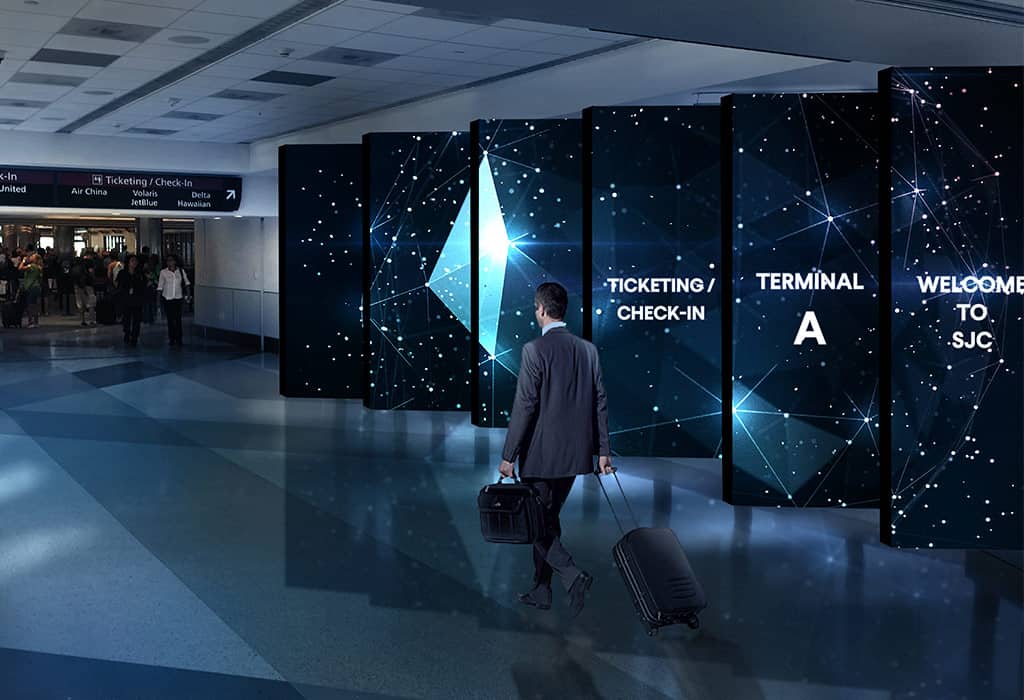
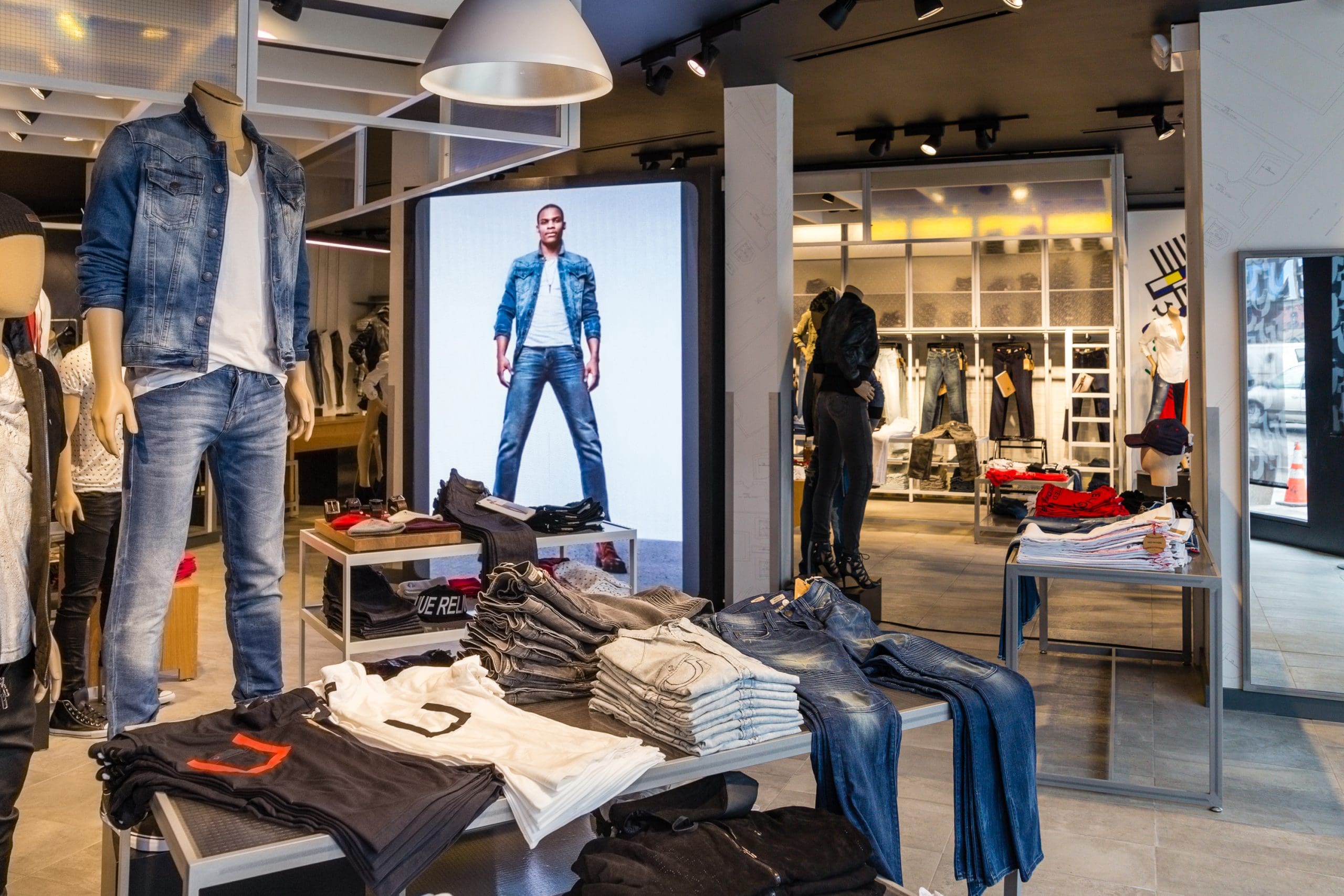
Architectural design has always been about vision — shaping spaces that connect with people through form, function, and feeling. In recent years, LED displays have become a powerful part of that vision. From a massive exterior video wall that turns a building into a nighttime landmark to a subtle, dynamic lobby installation that changes the mood of a space, LED technology has expanded what’s possible in the built environment.

But as exciting as these possibilities are, translating them from concept to completion can be far from simple. The creative ideas that seem limitless in the design phase can meet roadblocks in engineering, compliance, or installation. Technical missteps, late-stage compromises, and communication gaps can dilute the original design intent — or worse, prevent the project from moving forward at all.

At PixelFLEX LED, we believe that technology should serve the vision, not limit it. The most compelling architectural LED integrations happen when creative ambition is paired with technical precision from day one. Here’s how that happens, and how the most common hurdles can be transformed into opportunities for stronger design.

Bringing Technology Into the Design Conversation Early

One of the most common issues we see is LED being treated as an add-on rather than an integrated design element. When the decision to include a display happens late in the process, the architectural space has often already been planned without accounting for its structural, electrical, and environmental needs.

This can lead to rushed compromises — reducing display size to fit into an existing wall opening, accepting visible seams where none were intended, or choosing a mounting method that disrupts the design language.

The solution is simple but often overlooked: bring the LED conversation into the earliest stages of design. When architects, engineers, and LED specialists collaborate from the start, the result is not just better integration, it’s a display that feels native to the architecture. In one corporate project, early planning allowed the design team to recess a large-scale display into a custom feature wall, hiding all technical components while preserving the clean sightlines of the lobby. Without that early involvement, the display would have required a bulky surface mount that would have disrupted the space’s minimal aesthetic.

Translating Technical Complexity Into Design Confidence

Architects are experts in spatial vision, not in calculating the power distribution for thousands of LED modules or planning ventilation for high-performance electronics. Yet these technical factors — along with structural loads, weatherproofing, and heat management — can make or break an installation.

Too often, the technical information architects receive from vendors is either incomplete or overly dense. It becomes another barrier in the design process, making it difficult to confidently specify a product or finalize details with contractors.

The answer isn’t to expect architects to become LED engineers, it’s to translate complex requirements into clear, actionable design information. For a recent public plaza project, our team provided fully scaled engineering diagrams that overlaid display specifications onto the architect’s own CAD drawings. This made it easy for the design team to see exactly how the display would interact with surrounding materials, where structural reinforcement would be needed, and how to plan routing for power and data — without ever feeling like they were reading a technical manual.

Bridging the Gap Between Design and Implementation

Even when the design and technical specs are perfect on paper, the project can falter if communication breaks down between the architect, LED manufacturer, AV integrator, and contractors. Misunderstandings about mounting details, ventilation clearances, or even the intended resolution of the display can lead to costly delays.

We’ve seen this avoided through deliberate project management and cross-discipline coordination. In one museum installation, our role went beyond supplying the LED system — we attended construction meetings, reviewed mock-ups, and worked directly with millworkers to ensure the display enclosure matched the surrounding finishes exactly. By acting as the bridge between creative and technical teams, we kept the installation on schedule and preserved every detail of the original design intent.

Balancing Creativity With Code Compliance

Pushing creative boundaries is part of every great architectural project — but it can’t come at the cost of safety, accessibility, or regulatory compliance. For LED displays, these considerations extend beyond the obvious. They can include weight limits for suspended elements, ADA standards for viewing angles and placement, and even ventilation requirements tied to electrical code.

Addressing these factors late in the process can lead to last-minute redesigns that strip away the essence of the original concept. Addressing them from the start makes them part of the creative solution.

On a large-scale exterior installation, our team worked with both the architect and the local permitting office before fabrication began. By presenting detailed mounting specs, wind-load calculations, and heat dissipation data, we secured approvals without altering the display’s footprint or brightness. The result met both the creative vision and the most rigorous safety standards — a win for design and compliance alike.

Customizing LED to the Architecture, Not the Other Way Around

One of the fastest ways to lose the integrity of a design is to force it to fit a pre-made display format. Standard LED panels may work for conventional installations, but architectural projects often demand more — unique dimensions, curved surfaces, or unusual mounting conditions.

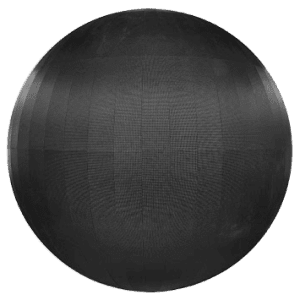
Rather than reshaping the design to accommodate the technology, the technology can be reshaped to serve the design. In a performing arts center project, we created a series of custom LED panels to match the curve and taper of an existing architectural feature. Each panel was built to exact dimensions, allowing the display to read as part of the building rather than an added object.

Custom solutions like this not only preserve the design language but also open creative possibilities that would be impossible with off-the-shelf components.

From Challenge to Opportunity

The truth is, every architectural LED project will have challenges. The question is whether they are discovered early enough to be solved without compromise. With the right partnership, each challenge becomes an opportunity to refine and strengthen the design.

By engaging LED specialists early, translating technical requirements into clear design actions, coordinating across disciplines, addressing compliance proactively, and customizing the technology to the architecture, architects can design with confidence — knowing their vision will survive the journey from concept to completion.

Designing With Confidence

At PixelFLEX LED, our role is to remove barriers between an architect’s idea and its execution. We provide not just the technology, but the collaboration, communication, and customization that ensure LED integration serves the architecture at every stage.

From the first sketch to the final inspection, we’re committed to making LED a medium that enhances your design without limiting it. With every project, our goal is the same: to see your creative intent not just survive the process, but emerge stronger because of it.

Explore our LED display solutions | See our case studies | Start a partnership with PixelFLEX LED

×
Need Help?
X

Ready to Talk?

Our team is ready to connect.