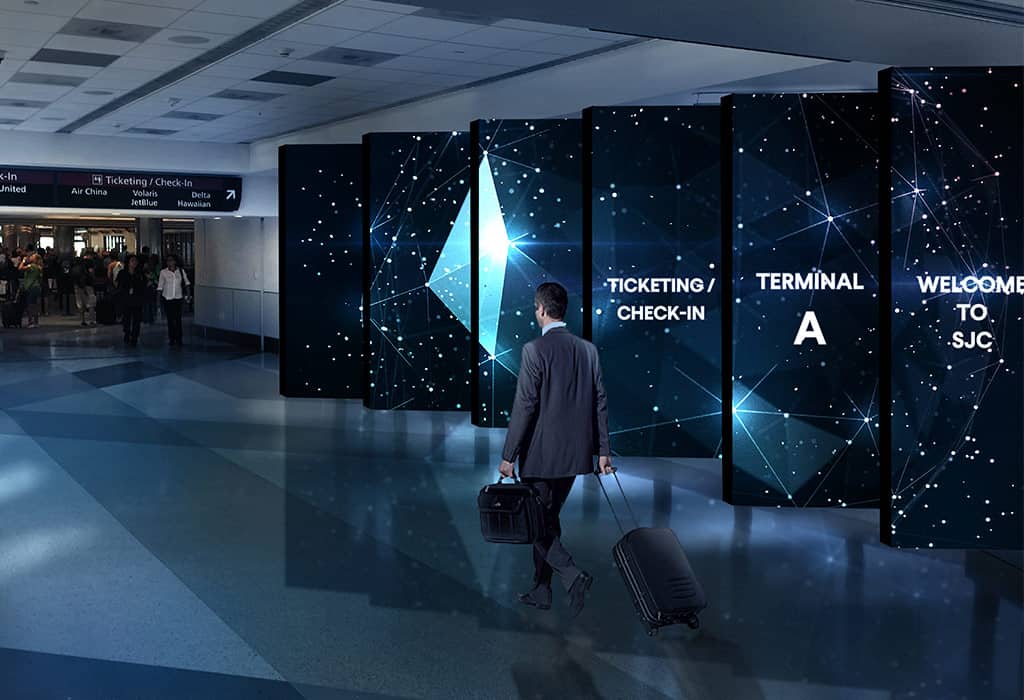
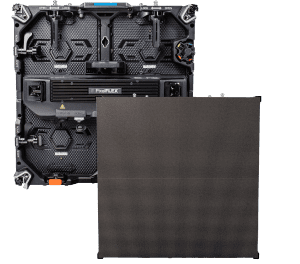
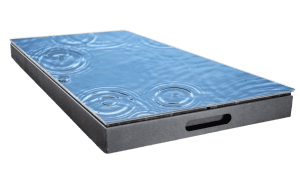
LED displays in transportation settings, such as airports, train stations, and bus terminals, serve as dynamic platforms for real-time information, advertising, and wayfinding, enhancing passenger experience with clear, up-to-date travel details and announcements.
We offer creative solutions at cost-effective rates. You will be able to deliver your sermons more effectively and engage your congregation through one-of-a-kind lyric video walls and house of worship LED displays.
In the ever-evolving world of display technologies, two terms often come up: LCD and dvLED. These technologies, while sometimes used interchangeably, have distinct characteristics, each with its own set of advantages and disadvantages. In this blog, we will dive into the differences between LCD and dvLED displays, exploring the technology behind each and weighing their pros and cons.
In partnership with Fluid Sound, PixelFLEX added a captivating dvLED display in Sharp Healthcare‘s lobby area.
LCD Technology: A Detailed Look
LCD technology, which stands for Liquid Crystal Display, relies on a unique method of manipulating light to display images. It uses a backlight, typically made of fluorescent or dvLED lights, that shines through a layer of liquid crystals. These crystals can be aligned or twisted to allow varying levels of light to pass through them. This light then passes through a series of color filters to produce the final image that appears on the screen. The ability of the liquid crystals to block or allow light through in response to an electric current is what makes the display possible.
Advantages of LCD
Ideal for Smaller Areas
LCDs are great for smaller spaces where viewing distance is not an issue. The panels are typically very thin and have a flat design. This makes them space-efficient and ideal for small rooms where larger displays might not fit well.
Resolution
Pixel pitch resolution becomes less critical when viewing up close with LCD screens because, at a close distance, individual pixels become less noticeable to the human eye.
LCD screens typically have high pixel densities, meaning there are numerous pixels per inch, resulting in finer details and smoother images. When viewed up close, the small pixel gaps between individual pixels blend together, creating a cohesive and visually pleasing image.
Software and OS Compatibility
LCD screens often come with software, a mini player, and are usually compatible with Android, Tizen, or WebOS operating systems.
The software enables content management, easy updates, and customization, while the mini player and OS compatibility ensure seamless operation, app support, and a user-friendly interface, making LCD screens versatile and user focused.
Cost-Effectiveness
Generally, LCDs are a lower-cost solution than dvLED for close-up viewing needs. This is beneficial when the screen size can be minimized, and bezels are not an issue for stacked displays.
Durability
LCD screens are less likely to get damaged when touched. They are also a durable option due to their solid-state design, which lacks moving parts that can be prone to wear and tear, increasing longevity.
Warranty
Standard 3-year warranty.
A collection of LCD screens cluster together to create a larger image. Patrons can see the bezels of the screens, which take away from the overall visual appeal.
Disadvantages of LCD
Size and Weight:
LCD screens often feature heavy glass and large cabinet designs, making them bulky. This becomes a significant issue for large displays (86” to 100”), which are difficult to fit in elevators for installation.
Installation Challenges
Due to their weight, installing LCD video walls can be complex. They require stronger mounting supports, which leads to higher costs.
Inconsistencies in Video Walls
When used in video walls, each screen can have different color and brightness calibration, leading to inconsistencies in content viewing.
Limited Lifespan
Typically, LCDs are rated at 50,000 hours to half-life. Over time, LCD screens experience a slow and gradual loss of vibrancy in colors, referred to as “color fading,” which occurs at a gradual pace, maintaining acceptable display quality for an extended period.
Shipping and Installation Risks
LCD screens can be prone to cracking during shipping and installation due to their relatively thin and fragile glass panels. Handling errors, impacts, or rough transportation can lead to structural damage, resulting in cracks or breakages, highlighting the need for careful packaging and installation procedures.
Bezels
A bezel is the frame or border surrounding the active display area of an LCD screen.
LCDs have noticeable bezels between screens, which can be distracting, because these bezels create physical gaps between multiple screens when they are arranged in multi-monitor setups, interrupting the seamless flow of content and causing visual discontinuity, which can be distracting to viewers.
Image Quality and Viewing Angles
Compared to newer technologies like that of dvLED or Quantum Dot displays, LCDs generally have lower contrast ratios and limited viewing angles, which can affect the visibility and vibrancy of the content displayed.
Energy Efficiency
While LCDs with dvLED backlights are more energy-efficient than their older CCFL counterparts, they still lag behind newer display technologies in terms of energy consumption and heat generation.
Response Time and Refresh Rates
LCDs typically have slower response times and lower refresh rates compared to newer technologies, which can result in motion blur and less smooth rendering of fast-moving images – a downside for dynamic advertising or interactive applications.
dv LED Technology: A Modern Approach
dvLED, or Direct View LED, represents a more modern approach. dvLED technology, which stands for Light Emitting Diode is fundamentally different from LCD.
In dvLED displays, each pixel is its own tiny LED light. These LEDs emit light directly when an electric current passes through them, eliminating the need for a backlight and liquid crystals used in LCDs. This direct light-emitting process allows for higher brightness, more vivid colors, and greater energy efficiency.
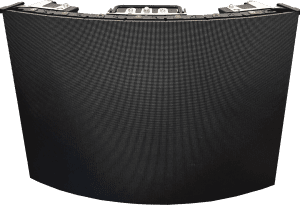
Curved LED panels that be be created with products, such as PixelFLEX’s FLEXMod, can provide an elevated viewer experience at venues and events.
Advantages of dvLED
Ease of Installation:
dvLED displays are easier and less costly to install than LCDs because they are typically lighter and thinner, reducing the structural requirements and installation complexity. Additionally, dvLED displays can be custom-sized and easily assembled into large screens, minimizing installation time and labor costs.
Longevity
These solutions are rated at 100,000 hours of operation, which is significantly longer than LCDs, ensuring extended lifespan and durability. Moreover, dvLED displays maintain their vibrancy over time, as they do not suffer from color fading, providing consistent and vibrant visuals throughout their extended lifespan.
Outdoor Visibility
Brighter solutions are possible with dvLED displays that are most suitable for outdoor environments. This is due to their ability to emit high-intensity light, even in direct sunlight. This brightness ensures visibility and readability in challenging outdoor conditions, making dvLED displays an ideal choice for outdoor advertising, signage, and displays.
Ease of Repair
Compared to LCD screens, their repair is often easier and less expensive because they typically have modular components that can be replaced individually, reducing the cost of fixing specific issues without replacing the entire screen. Additionally, their solid-state design is less prone to damage from impacts or physical stress, leading to fewer repair incidents in the first place.
In addition to the product warranty that comes with PixelFLEX products, is vital to have a good technical team in place if adjustments are needed. PixelFLEX’s in-house technical team repairs dvLED panels in their Mt. Juliet, Tennesse location. This benefit allows eliminates the need to send your dvLED overseas for simple repairs.
Design Flexibility
dvLEDs are flexible in creating unique designs for an increased viewer experience. They can be designed to fit various shapes and sizes, making them versatile for different commercial applications. They can be used in everything from large outdoor billboards to intricate, custom-shaped displays for unique installations.
Shipping and Installation
Screen cracking during shipping and installation is less common with these screens due to their thinner and more robust design, which is less susceptible to structural damage from handling or transportation.
Durability
Product durability and resistance to physical stress reduce the likelihood of cracks compared to other screen technologies. Some products, such as FLEXMod, are created with flexible structures that offer even more resiliency.
PixelShield is part of the design that adds industry leading impact and scratch resistance to most of PixelFLEX’s dvLED panels.
Aesthetic Appeal
A bezel-free design offers an aesthetic appeal that creates a seamless viewing experience, eliminating distractions caused by borders and enhancing the visual impact of content.
This design choice provides a modern and sleek appearance, allowing for a more immersive and captivating viewing experience for various display solutions.
Color and Brightness Calibration
dvLED screens are easy to calibrate for consistent color and brightness due to their precise control over individual pixels and the ability to adjust brightness levels accurately. This calibration capability ensures that dvLED screens can maintain uniform and accurate colors and brightness levels over time, making them suitable for applications where color accuracy is crucial.
Screen color calibration is like tuning a TV or computer monitor to make sure the colors you see on the screen match the real colors as closely as possible. It ensures that what you see on your screen looks the same as it would in real life, making your pictures, videos, and designs look accurate and true to how they should appear.
Reduced Glare
These screens typically have lower glare levels because they use emissive technology, meaning each pixel emits its own light. This reduces reflections from external sources. This feature results in better visibility and reduced glare in various lighting conditions, making them a preferred choice in environments where glare is a concern.
Refresh Rates
dvLED displays offer higher refresh rates that result in smoother visuals.
Screen refresh rates can be described in simplistic terms as the number of screen blinks or updates what you see every second.
Up close of the LED pixels in the PixelFLEX FLEXUltra screen that was installed in Sharp Healthcare’s lobby area.
The higher the refresh rate, the smoother and more fluid the movement looks on your screen, which is important for activities like gaming and watching videos because it makes them look better and feel more responsive.
Image Quality
Higher contrast ratios and a broader color gamut are possible, resulting in more vibrant and true-to-life images. This makes them ideal for businesses that require high-quality visual presentations, such as in advertising or entertainment.
Viewing Angles
dvLEDs provide superior viewing angles compared to LCDs, ensuring that the displayed content is visible and clear from different perspectives, which is essential in public spaces and retail environments.
Energy Efficiency and Longevity
dvLEDs require less energy to generate brightness compared to older technologies like fluorescent bulbs. They can also vary their brightness more quickly and precisely, consuming less power when displaying dark or dim scenes. This energy efficiency not only reduces electricity bills but also contributes to environmental sustainability by lowering overall power consumption.
Seamless Video Walls
Unlike LCDs, dvLED screens can create seamless video walls without distracting bezels, providing a continuous and immersive visual experience.
Performance in Bright Conditions
LEDs are known for their brightness, making them suitable for outdoor applications or brightly lit indoor environments where clear visibility is crucial.
Disadvantages of dvLED
Pixel Pitch
The closer the audience, the finer the pixel pitch needs to be, which can significantly increase costs for smaller pitches.
Additional Equipment
While dvLED screens offer many advantages, the complexity of the installation and the specific application may require a sperate controller to ensure proper functionality, safety, and optimal performance.
Wait Time
Most dvLED companies do not carry immediate stock due to the amount of configurations, there is a longer installation quality window due to the shipping time
Conclusion
When choosing between LCD and dvLED displays, consider the specific needs of your environment and audience. LCDs offer a cost-effective solution for smaller, close-up viewing areas, with a robust build and comprehensive software support. On the other hand, dvLED shines in longevity, design flexibility, and outdoor suitability, making it a go-to choice for modern, dynamic display requirements. Understanding these differences will help you make an informed decision that best suits your display needs.
Have a project that you would like to discuss. Reach out to our team and let us know how we can help. Contact Us >
A Guide for Audio Visual Integrators
Your LED installation partner plays the crucial role of synthesizing each individual piece of an AV display into perfect harmony. Working with customers to tease out a vision, then with LED providers to see it to fruition, integrators are both the face of and the lifeblood of a successful and memorable AV display. When LED providers and integrators share a strong partnership, the benefits to the customer are exponential.
As we explore further in this blog, integrators have an incentive to form strong, lasting partnerships with great LED providers. PixelFLEX LED proves an ideal partner, offering a wide range of indoor LED solutions, customizable options, exceptional quality, and a commitment to collaborative, profitable, and mutually uplifting partnerships.
Understanding the Integrator’s Role
Although integrators come equipped with all the tools for seamless installation, finding the best LED products and providers can sometimes prove challenging. A few of these challenges include:
Analysis Paralysis
With so many vendors to choose from, it’s hard to know where to start. Finding the right provider for you starts with weighing your options carefully and keeping considerations such as price and partnership potential top of mind.
Budget
In a crowded marketplace, it’s important to differentiate yourself from the pack while remaining within budget. It’s a balancing act between clients’ needs and the configurability of products, between expectations and budget constraints.
Project Management
in an industry ripe with supply chain issues, a partner you can rely on is key. The ideal partner is US-based, readily available to answer questions and remedy problems to ensure your project stays on course.
While this may sound like a lot, finding LED providers who meet all of your requirements is within reach. Don’t settle for a provider who only checks some of your boxes—find someone who checks them all! Collaborating with and forming long-standing relationships with reputable, experienced LED companies will empower you to address your clients’ needs and deliver the best results.
Key Factors to Consider in an LED Partner
Beyond foundational barriers to entry like importation/tariff compliance and passing safety inspections, you should also prioritize finding an LED provider based on more meaningful qualities and capabilities, which we’ll go over here.
Customization and Flexibility
Turnkey solutions are great, but you need a partner who can tailor their LED solutions to fit specific project requirements. The more personal and customizable the products, the happier your customer will be with the result. At PixelFLEX, our client’s vision is our command.
PixelFLEX is proud to offer flexible LED technology and customizable LED solutions bendable to the will of any client—many of them quite literally. Regardless of the scope and scale of the project, we’re ready to tailor a custom LED display to fit your needs and budget.
Technical ability and support
When looking for the right LED partner, it’s important to choose one who can provide technical expertise and support throughout the entire project. PixelFLEX is home to some of the most dedicated project managers in the industry, each with a passion for our products rivaling only their commitment to customer service.
PixelFlex is based in the U.S. so we’re easy to get in touch with, and we’re always ready to answer any questions our clients and integration partners might have, and we warrant our panels from edge to edge, pixel to pixel.
Quality and reliability
For your clients, few concerns come before quality. That’s why it’s so important to select an LED partner with a reputation for producing high-quality, reliable products.
We understand that your ultimate goal is to please your customers — because it’s ours too! PixelFLEX is a customer-first organization, and we strive for complete satisfaction every step of the way. By making our customers our top priority, we’ve built a reputation for providing durable, long-lasting, and quality solutions that not only meet our clients’ expectations — but blow them away.
Collaboration and partnership
To deliver this caliber of service, a strong partnership between integrator and LED provider is essential. Establishing these long-term relationships starts with an open line of communication and an eagerness to collaborate with one another. We believe in working closely with our integrators to develop a better understanding of their clients’ unique needs, challenges, and long-term goals. Through trust, collaboration, and a mutual understanding of and dedication to our customers, we can transform vision into LED reality.
Range
While quality is no doubt important, quantity is equally so when it comes to LED. A provider with a diverse portfolio of LED solutions will help you meet the needs of a vast range of clients and projects. PixelFLEX has a wide variety of indoor LED solutions, a few of which include:
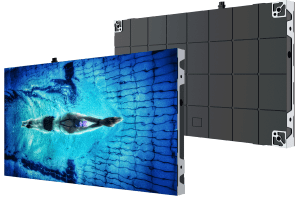
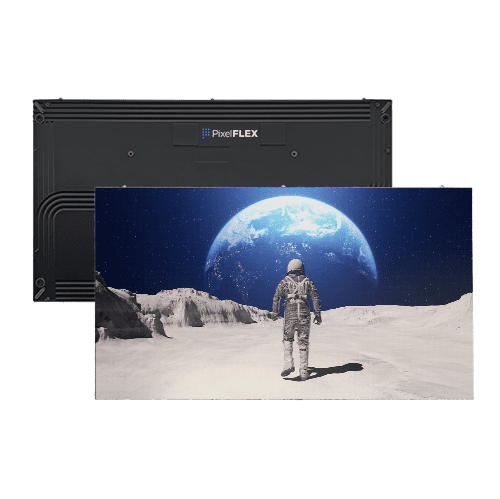
FLEXUltra PixelShield – made from some of the highest pitches in the market, FLEXUltra is a versatile, high-definition LED video display complete with our PixelShield scratch-resistant protective coating, magnetic installation modules for ease of use, and quick-releasing cables for service sans tools
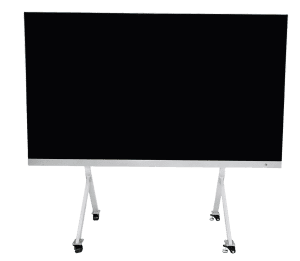
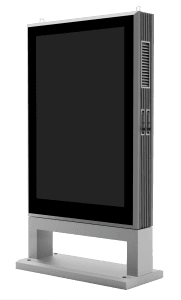
ReFLEXion – a sleek standalone LED display ideal for wayfinding, event schedules, tradeshow booths, and corporate events with WIFI support, an integrated media player, and a user-friendly interface making it the perfect budget alternative to a flown LED wall in smaller footprint booths.
A standalone turnkey LED display perfect for wayfinding, event schedules, and tradeshow booths.
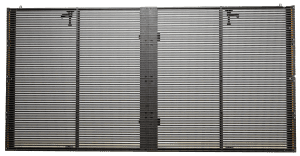
FLEXClear – a bright, 60-70% transparent LED screen that can be placed in a window for dynamic display without sacrificing natural light
As an integrator, you want the best for your clients. That means selecting a reliable, US-based LED provider with a broad range of solutions, customization options, technical expertise and support, high-quality, reliable products, and openness and willingness. to collaborate. PixelFLEX offers all these benefits and then some. When you partner with PixelFLEX, you gain a partner ready and willing to deliver a vast array of reliable, high-quality, and fully customizable indoor LED solutions to customers, no matter the ask.
When we come together, integrators and LED providers create projects worth their weight in watts — making us twice as desirable to clients when working together than apart. Reach out to our team to start a collaborative partnership built to ensure the best possible fit for every customer.
 (800) 930-7954


 House of Worship
 Transportation
 Trade shows led display
 retail
 Creative Led Solutions
 Hospitality
 Higher Education
 Corporate LED