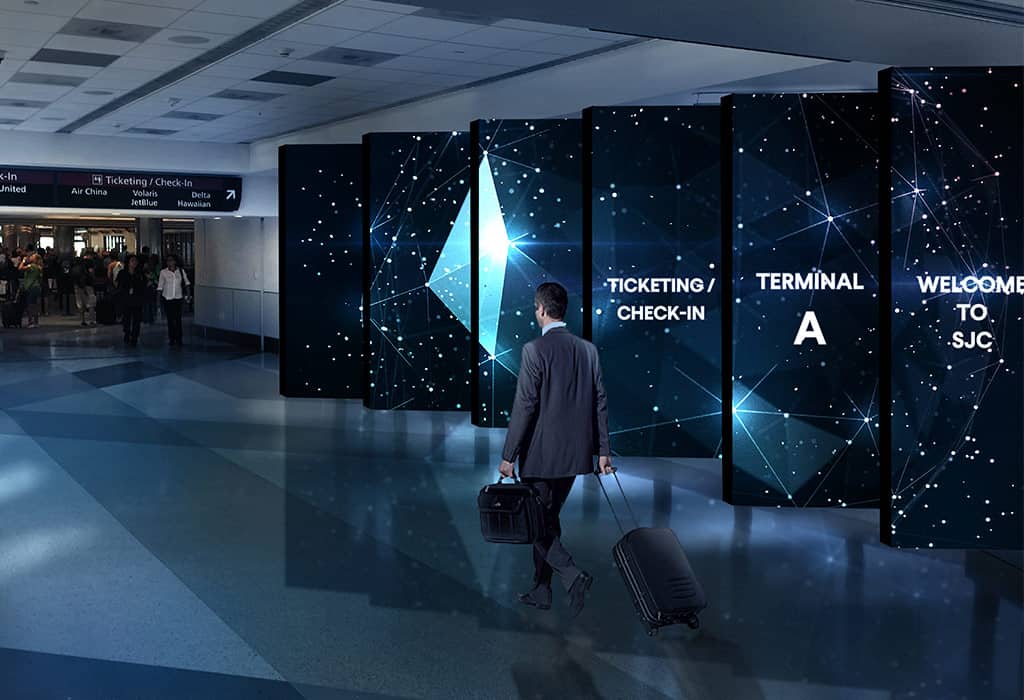
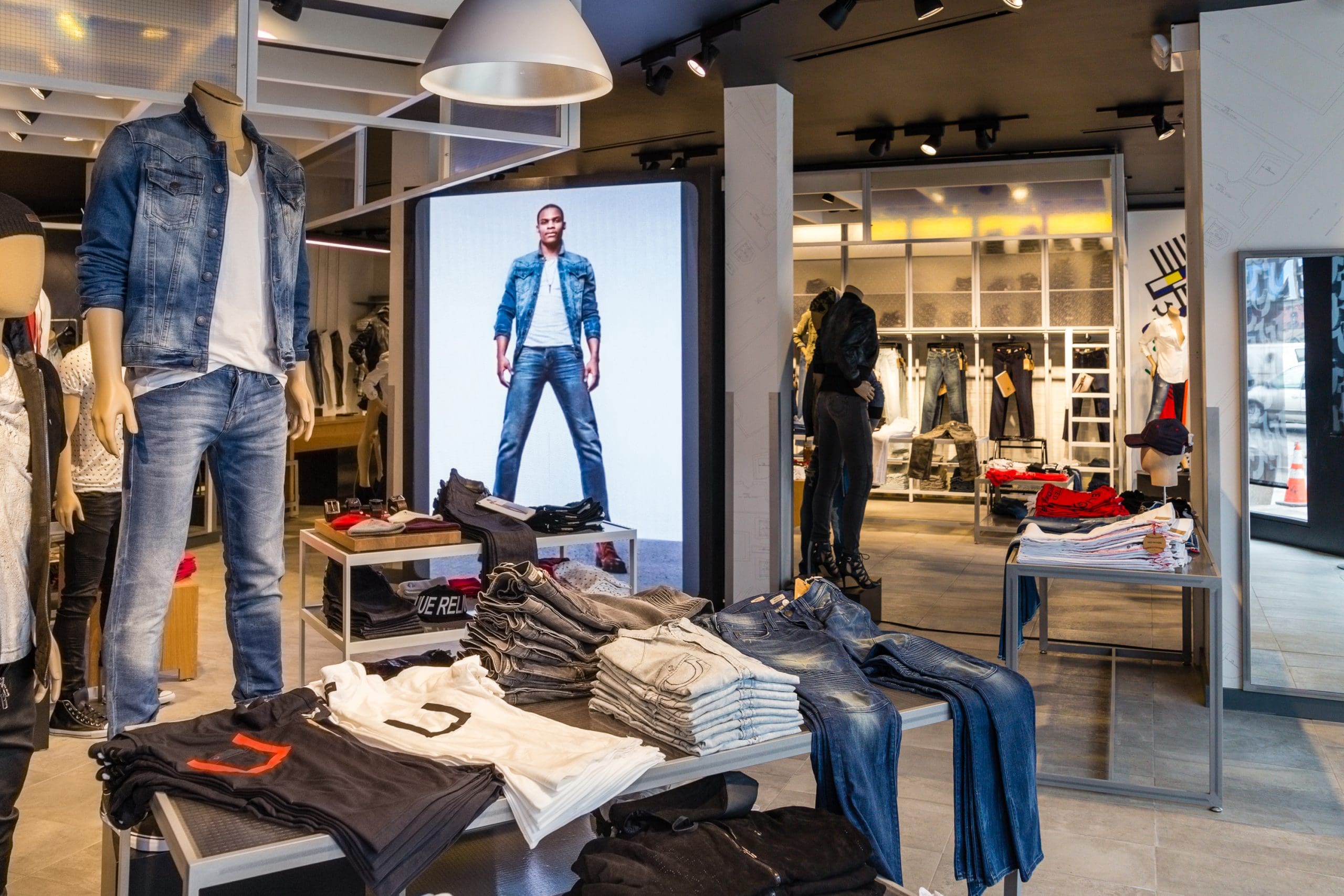
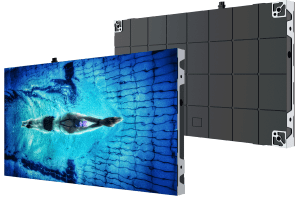
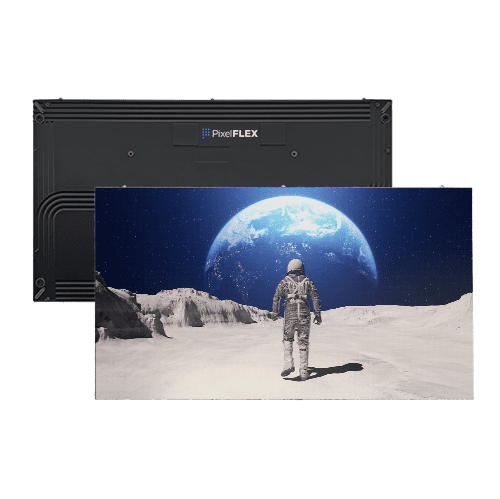
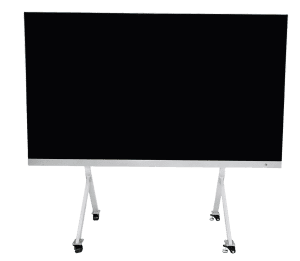
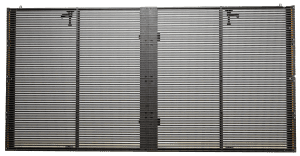
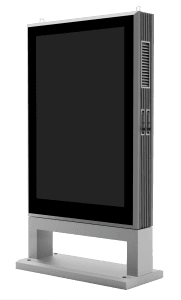
LED displays in transportation settings, such as airports, train stations, and bus terminals, serve as dynamic platforms for real-time information, advertising, and wayfinding, enhancing passenger experience with clear, up-to-date travel details and announcements.
We offer creative solutions at cost-effective rates. You will be able to deliver your sermons more effectively and engage your congregation through one-of-a-kind lyric video walls and house of worship LED displays.
A Practical LED Wall Guide for Corporate Planners and Decision-Makers
Demystifying LED Display Terminology for First-Time Buyers
Navigating the world of LED display basics can feel overwhelming, especially for corporate decision-makers and project planners tasked with finding the right solution for high-visibility installations. Whether you’re outfitting a corporate lobby, retail flagship, or entertainment venue, understanding the fundamentals of LED technology will help you make informed choices—and avoid costly missteps.
Below is a no-nonsense LED display explainer to help you grasp the key concepts, demystify industry jargon, and move confidently through the buying process.
Understanding Pixel Pitch and Image Clarity
One of the first questions you’ll encounter when buying LED displays is: what is pixel pitch?
Pixel pitch refers to the distance between the centers of two adjacent pixels, typically measured in millimeters. A lower pixel pitch means a higher pixel density, which translates to sharper images, especially when viewed up close. For indoor environments where viewers are just feet away, like conference rooms or control centers, a fine pixel pitch (1.2mm to 2.5mm) is ideal. For outdoor displays or installations meant to be viewed from a distance, a wider pitch (3.9mm and up) may be more cost-effective without sacrificing image quality.
Refresh Rate and Visual Performance
Another spec worth understanding is LED screen refresh rate. This term refers to how many times per second the display updates its image. Measured in hertz (Hz), most commercial LED walls fall between 1,920Hz and 3,840Hz.
Why does it matter? A higher refresh rate ensures smooth video playback and reduces flicker, which is especially important when displays are recorded on camera—think live broadcasts or marketing videos. Lower refresh rates can cause flickering or ghosting, which not only looks unprofessional but can strain viewers’ eyes.
Key Terms in LED Display Terminology
It’s easy to get lost in LED display terminology, but a few essential terms can guide your decision-making:
Nits: A unit of brightness. Outdoor screens typically require 5,000 nits or more for visibility in sunlight, while indoor screens range between 800 and 1,200 nits.
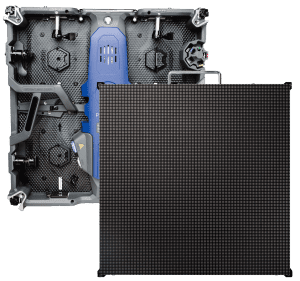
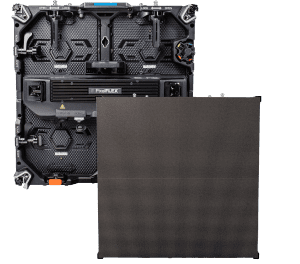
Cabinet: The individual housing unit that holds multiple LED modules. Understanding cabinet size and weight is crucial for planning your installation.
Module: The foundational building block of an LED display system. It is comprised of a group of light-emitting diodes mounted on a printed circuit board (PCB), along with supporting components such as resistors or capacitors that help regulate power and signal flow. These modules are designed to be combined into larger panels or displays, enabling scalable visual solutions.
A Practical LED Wall Guide for Corporate Use
Whether you’re comparing specs or requesting a quote, this LED wall guide equips you to ask better questions and spot the features that truly matter for your project. From corporate LED screen installations to temporary event displays, the right solution depends on your space, audience, and content goals.
Have questions about your own project? Talk to a PixelFlex specialist to get expert guidance and find the best LED display solution for your space, without the guesswork.
Some years bring steady business as usual, but 2025 isn’t shaping up to be like years prior.
For AV integrators, this year feels like a high-wire act—balancing client expectations, navigating unpredictable tariff shifts, and still needing to deliver jaw-dropping visual solutions. The demand for cutting-edge commercial LED display technology hasn’t slowed down, but the criteria for choosing the right solution has definitely sharpened.
So, where should savvy integrators focus their attention? With so many options lighting up the market, it’s easy to get dazzled by flashy specs. But if you want to stay ahead, these four LED display features deserve a front-row seat in every project conversation.
Pixel Pitch: Clarity That Works Smarter, Not Harder
Let’s face it: Pixel pitch LED display specs can make or break how impressed your client feels once the wall lights up. But in 2025, it’s no longer about cramming the smallest pixel pitch into every space. It’s about strategic clarity.
Clients are becoming more educated about display tech, and they’re asking smarter questions. That’s your cue to guide them toward solutions that match viewing distance, content type, and budget without over-engineering.
Choosing the right pixel pitch LED display ensures crisp visuals without unnecessary costs. After all, a high-resolution display in a space where viewers are 30 feet away doesn’t add value; it adds dollars. This year, integrators who prioritize optimal pitch over minimal pitch will stand out as both tech-savvy and budget-conscious.
Remote Monitoring: Because Time is Money (and Fewer Truck Rolls)
Here’s a 2025 reality check: No one has time for unexpected site visits when a display glitches.
That’s why remote monitoring has graduated from “nice-to-have” to “non-negotiable.” Today’s best commercial LED display solutions come with built-in diagnostics, real-time performance alerts, and cloud-based control options. This feature doesn’t just keep your clients happy; it keeps your service contracts lean and your team off the road.
Integrators who prioritize displays with robust remote management tools can offer peace of mind in a package that practically sells itself. It’s proactive support, fewer surprises, and a big win for long-term client relationships.
Energy Efficiency: Powering Performance Without Draining Budgets
With energy costs on the rise and sustainability goals becoming standard, power consumption is no longer buried in the spec sheet fine print. It’s front and center.
AV integrators are now expected to deliver solutions that look brilliant but run lean. That’s where modern indoor LED display technology, like the FLEXThinshines (literally). The latest advancements offer high brightness with significantly reduced energy draw, making it easier to pitch large-scale installations without triggering client concerns about operational costs.
Plus, let’s not forget those fluctuating tariff potential. Choosing energy-efficient products can soften the blow of upfront hardware expenses by promising long-term savings. Smart integrators will highlight total cost of ownership, not just installation quotes.
Versatility: The Rise of Modular LED Walls for Every Space
Gone are the days when a massive LED wall for commercial use was reserved for flashy flagship stores or arena-sized venues. In 2025, flexibility is king.
Clients want display solutions that adapt to their environments, whether it’s a corporate lobby, a retail storefront, or a high-traffic transit hub. Modular designs are answering that call, allowing integrators to customize size, shape, and even curvature without compromising visual impact.
By prioritizing versatile indoor LED display systems, you’re offering creative freedom. And that’s exactly what turns a one-time project into a long-term partnership.
Navigating 2025 With Smarter LED Choices
While tariff uncertainties and budget pressures loom large this year, they don’t have to dim your projects’ potential. By focusing on features that deliver real value like the right pixel pitch LED display, remote monitoring, energy efficiency, and modular versatility, you’re positioning yourself as a problem-solver, not just a product installer.
PixelFLEX is here to help integrators stay ahead of the curve with commercial LED display solutions designed for today’s challenges and tomorrow’s opportunities. Whether you’re designing an LED wall for commercial use or selecting the perfect indoor LED display, the right features make all the difference.
Looking to spec smarter in 2025? Let’s make your next project shine brighter—and work harder—for your clients.
In the ever-evolving landscape of corporate communication and brand visibility, LED video walls have emerged as powerful tools that leave a lasting impact. For corporate decision-makers, the question often lingers: Is the significant investment in LED video walls truly worth it? The answer lies in understanding the multifaceted returns these dynamic solutions can offer.
Before delving into the benefits, business leaders must align their goals with the potential advantages offered by PixelFLEX LED walls. These benefits extend far beyond a mere visual upgrade; they encompass enhanced brand visibility, increased engagement, revenue generation, and much more.
Enhanced Brand Visibility
Video billboards and other digital out of home video solutions have proven to be instrumental in elevating brand visibility. Digital displays, especially in high-traffic areas, can increase brand awareness by a staggering 47.7%.
An example of a retailer that did a remarkable job of this is Swatch, the international watch retailer, which incorporated FLEXClear, our semi-transparent LED video wall product into the storefront of their NYC location. This added a dynamic and visually appealing experience for both in-store shoppers and pedestrians outside.
Shop patrons take time to check out the semi-transparent dvLED window displays at the Swatch store in New York City.
Increased Engagement
Video content, particularly on interactive LED walls, captures audience attention more effectively than static images. Interactive displays, according to industry reports, can generate up to 10 times more foot traffic. Corporate offices utilizing video signage for communication witness higher employee engagement and retention, while the hospitality industry reports a 65% retention rate with the use of digital video signage to enhance guest experiences.
Impact on Sales and Revenue
Engaging content displayed on PixelFLEX LED walls has a direct influence on buying decisions. Retail environments using digital displays report up to a 33% increase in sales. The use of wayfinding signage with moving visuals has become a profitable tactic, directing foot traffic through shopping centers and boosting impulse sales by as much as 400%.
Event Impact and Sponsorship Opportunities
For businesses involved in events, LED walls offer dynamic content delivery and sponsorship opportunities. Events with LED displays have seen increased sponsor satisfaction, leading to potential future partnerships.
Operational Efficiency
LED walls can improve internal communications and operational efficiency. Studies show that organizations using digital signage experience a 35% reduction in perceived wait times and a 30% improvement in employee engagement.
Studies show that 48% of employees consider video to be the most engaging form of communication. Leaders that hope to succeed with a hybrid workforce should consider the inclusion of video conferencing video walls for inclusive all-hands meeting experiences. Larger screens offer the opportunity for increased visibility for remote presenters and higher view engagement.
The FLEXCurve configured as a driving simulator at InfoComm 2023.
Alternative Experiences
With the advancement of innovative technology comes opportunities for corporations to offer immersive experiences. These experiences can supply many benefits, such as enhanced meeting experiences for virtual employees and inclusive engagement strategies in educational environments.
The aviation industry, alone, has seen an average annual savings of $5 billion through the adoption of flight simulators. These monetary savings are secondary to the demand for a solution that increases pilot safety. Many of these simulators still use outdated projectors and lower pitch dvLED screens that lack the immersive experience that a high-resolution product can create.
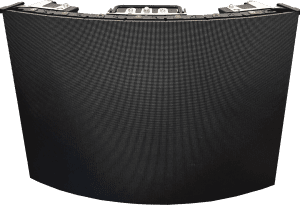
PixelFLEX is proud to offer the FLEXCurve as a premium curved dvLED wall that is customized for an ultramodern simulation experience. This revolutionary product offers a high-resolution screen with a tight pixel-pitch, requiring a smaller physical footprint than other simulators on the market
Social Media Amplification
Shareable content displayed on LED walls can extend its reach on social media platforms. User-generated content from events featuring LED displays can contribute to increased online visibility and engagement.
Long-Term Cost Savings
While the initial investment in LED walls can be significant, long-term cost savings can be realized through reduced printing costs for traditional signage and the ability to update content remotely, saving time and resources.
Competitive Advantage
Staying ahead of technological trends can supply a competitive advantage. Companies embracing innovative solutions like LED walls prove a commitment to modernity and can attract tech-savvy consumers.
Business leaders considering the adoption of an LED wall should conduct a thorough cost-benefit analysis aligned with their industry, goals, and target audience. The real-world ROI may vary, but the impact on brand metrics, sales, and customer satisfaction is undeniable, making dvLED walls a strategic investment for forward-thinking organizations.
 (800) 930-7954


 House of Worship
 Transportation
 Trade shows led display
 retail
 Creative Led Solutions
 Hospitality
 Higher Education
 Corporate LED